I’ve worked with over 150 hospitality businesses across the past decade at Skilledge Digital Agency, and I’ve seen the same pattern repeat itself: restaurants with incredible food fail at marketing every day. Not because digital doesn’t work—but because they treat it as an afterthought instead of a system.
You’re probably here because your dining room looks empty on Tuesdays. Or maybe you’re launching a new concept and wondering how to get people in the door. Whatever brought you here, I’m going to give you something most markers won’t: a repeatable, measurable engine that drives covers week after week, regardless of season, weather, or which influencer decided to visit.
This is digital marketing for restaurants done right.
Why Your Current Marketing Approach Is Failing You: Digital Marketing for Restaurants
Let’s cut through the noise. If you’ve been told to “just post more on Instagram” or “get more Yelp reviews,” you’ve been given advice designed for national chains with national budgets. Your local restaurant needs a different playbook.
Here’s the brutal truth: referrals have a ceiling. You can’t control the volume, timing, or type of customer they bring. And Yelp? You’re paying for your own customers. The people finding you on Yelp would have found you on Google anyway—Yelp is just inserting itself as the middleman and charging you for the privilege.
The restaurant that wins isn’t the one with the best Yelp reviews. It’s the one that owns the relationship with their customer—so they can bring them back on a Tuesday in January, not just a Friday in June.
When I consult with restaurant owners at Skilledge Digital Agency, I see three Universal mistakes:
Mistake 1: Treating Marketing as Separate Silos
Running SEO, paid ads, email, and social as disconnected activities isn’t just inefficient—it’s actively making each channel more expensive. When your Google Business Profile doesn’t align with your email campaigns, and your social content doesn’t reinforce your paid ads, you’re losing compounding returns.
Mistake 2: Chasing Spikes Instead of Building Systems
Influencer visits create a spike, not a system. One post might drive 50 new covers in a week—but then what? If you don’t capture those visitors’ contact information and bring them back through email and SMS, you paid for one visit instead of building a customer relationship.
Mistake 3: Ignoring the Channel You Actually Own
Your email and SMS list is the one marketing channel you own entirely. No algorithm changes. No pay-to-play. Yet most restaurants completely ignore this engine—and it’s the most profitable.
The Three-Engine System for Digital Marketing for Restaurants
Restaurants that consistently fill tables run three engines simultaneously. None of them work well alone. Together, they create a compounding system that gets more efficient over time. This is the core of any effective digital marketing strategy for restaurants.
Engine 1: Google—Capturing High-Intent Diners: Digital Marketing for Restaurants
When someone searches “Italian restaurant near me” or “best brunch in [your city],” they’re ready to eat. Your Google Business Profile (GBP) is the single most important piece of digital real estate you own.
I’ve seen restaurants go from page 3 to the top of Google Maps by treating GBP like the marketing channel it is, not just a listing they set up three years ago. Here’s exactly how to do it:
Your Google Business Profile Optimization Checklist:
-
Complete Every Section: Fill out everything—address, phone, website, and all hours including holidays. Add service options like dine-in, takeout, or delivery. Missing info = lost customers.
-
Choose the Right Categories: Your primary category might be “Italian Restaurant.” Add secondary ones like “Pizza Restaurant” or “Bar” if they fit to show up in more specific searches. This is critical for internet marketing for restaurants.
-
Upload High-Quality Photos Daily: Customers eat with their eyes. Show off your best dishes, your dining room’s atmosphere, and your exterior. Upload at least one new photo weekly—Google rewards active profiles.
-
Enable Messaging: This lets customers send a quick message to ask about reservations or wait times. Response time matters—answer within 15 minutes.
-
Post Weekly Updates: Share what’s happening this week, not six months ago. Weekly specials, chef spotlights, or upcoming events keep your profile fresh.
-
Review Strategy That Works: Encourage guests to leave reviews by training front-of-house staff to mention it naturally during positive interactions. Respond to every review within 24 hours with genuine, personalized messages—both good and bad.
Now pair this with local SEO content targeting the specific neighborhoods and occasions you serve. Add local schema markup on your website to help search engines understand your restaurant type, price range, and location. Build citations on platforms like Yelp, TripAdvisor, OpenTable, and Apple Maps with consistent name, address, and phone information.
Your Menu Is Your Best SEO Tool—Don’t Upload It as a PDF
Type your menu out as text on a dedicated page on your website. This lets Google “crawl” your dishes, so you can show up when someone searches for “chicken parmesan near me.” I’ve seen restaurants double their organic traffic simply by converting PDF menus to text.
Build your own direct ordering channel through your website and branded app to capture higher-margin orders. Then use Google Ads campaigns targeting delivery-related searches in your area to drive traffic to your direct ordering platform. This is a cornerstone of any best digital marketing for restaurants approach.
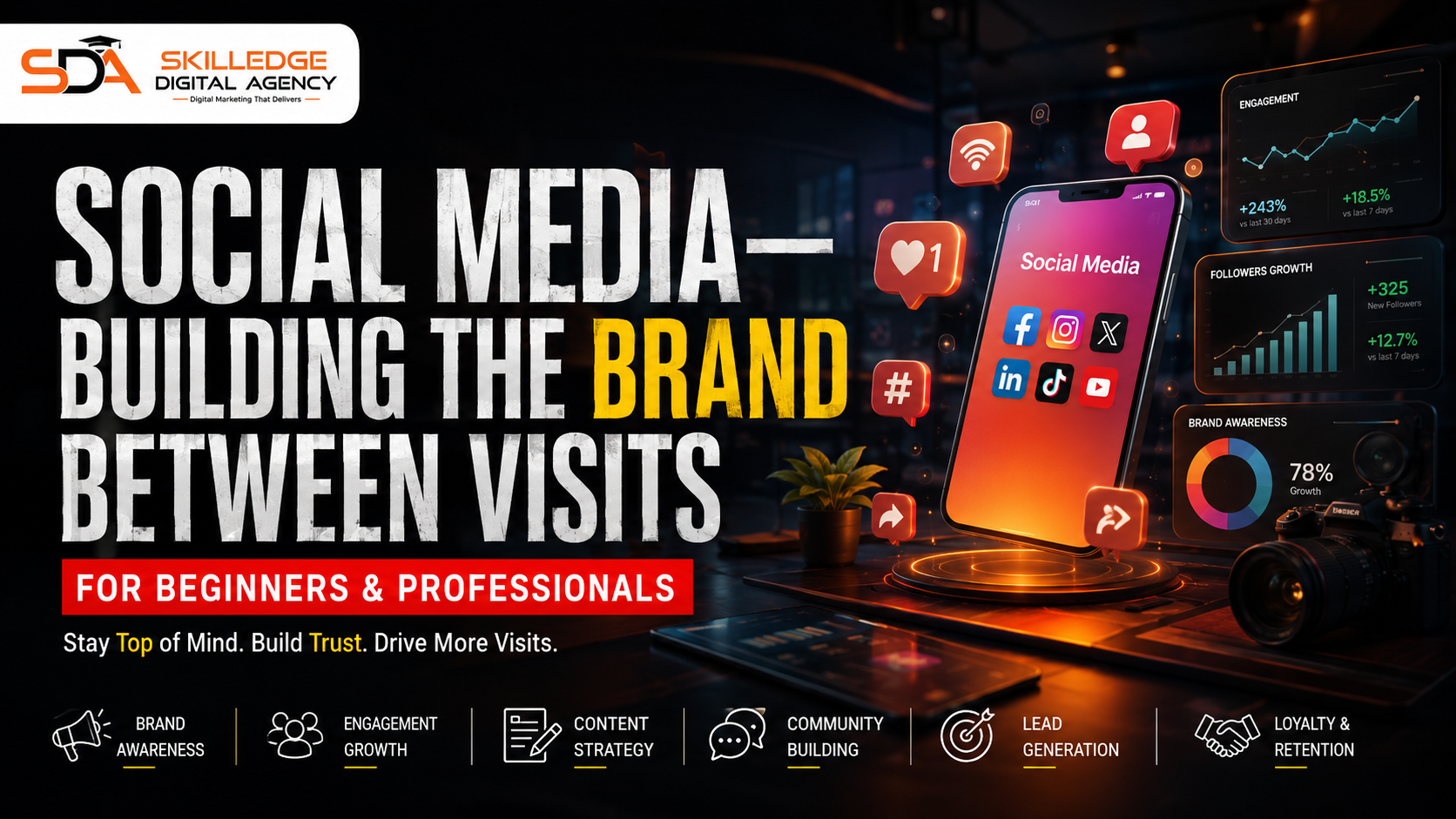
Engine 2: Social Media—Building the Brand Between Visits: Digital Marketing for Restaurants
Social media for restaurants isn’t about going viral. It’s about staying top of mind between visits. The customer who ate at your restaurant on Saturday needs to see you 4-5 times before they think of you again next time they’re deciding where to go. Social media is that reminder engine.
The content that works isn’t polished food photography—it’s behind-the-scenes moments, the chef prepping, the team laughing, a regular getting recognized. Content that makes people feel like insiders. We’ve driven 8M+ organic content views for clients at Skilledge Digital Agency by focusing on authenticity over production value.
Go Beyond Food Pictures—Show the Experience: Digital Marketing for Restaurants
Every restaurant posts food photos. To stand out, show the experience. Build a community, not just an audience. Here’s what gets real engagement:
-
Behind-the-Scenes Action: A short video of your chef plating a special or a bartender mixing a cocktail is more engaging than a static photo. Reels under 15 seconds get the most views.
-
Spotlight Your Team: Feature your staff. A quick post introducing a server and their favorite dish makes your restaurant feel more human. People connect with people, not just plates.
-
User-Generated Content (UGC): When a guest tags you in a photo, ask for permission to repost it. This is powerful social proof. It shows real people enjoying real experiences.
-
Chef Spotlights and Sneak Peeks: Show the inspiration for a new dish. Introduce a new kitchen team member. Tell stories, not just promote products.
Turn Engagement Into Reservations—Make It One Click
Once you have their attention, make it incredibly simple to book a table. Your social media bio is prime realestate. It must have a direct link to your reservations page or online ordering system. Every follower should be one click from becoming a customer.
Add “Book Your Table” or “Order Online” buttons directly to your Facebook and Instagram profiles. The fewer steps a customer has to take, the more likely they are to book. According to recent restaurant social media statistics, about 50% of customers choose restaurants based on their social media presence alone.
Practical Instagram Strategies That Fill Tables: Digital Marketing for Restaurants
-
Use Stories for Daily Specials: Stories are perfect for time-sensitive content like lunch specials or a last-minute happy hour. Use the “Link” sticker to send people directly to your menu or booking page. Post Stories daily—they expire after 24 hours, which creates urgency.
-
Run a Simple Contest: A “tag-a-friend” giveaway for a gift card can dramatically increase your reach. Keep it simple: “Tag 2 friends you’d bring here for dinner. Winner gets a $50 gift card.”
-
Create Engaging Reels: A 15-second Reel of your most popular pasta dish being made can get thousands of views and put you on the map for new customers. Focus on motion—sizzling, pouring, chopping. Movement captures attention.
Practical Facebook Strategies for Restaurants
-
Create Events for Special Nights: Hosting a wine dinner or holiday brunch? Create a Facebook Event page to share details and let customers RSVP. Events get pushed to attendees’ notifications, creating built-in reminders.
-
Promote Posts to a Local Audience: For a few dollars, you can “boost” a post to reach thousands of people within a specific radius of your restaurant. Target 3-5 miles around your location for maximum efficiency.
Shifting your focus from likes to clicks and bookings transforms social media from a chore into a powerful marketing engine. This shift is essential for any digital marketing plan for restaurant that wants real ROI.
Engine 3: Email and SMS—The Direct Line to Your Best Customers: Digital Marketing for Restaurants
This is the engine most restaurants completely ignore—and it’s the most profitable. Your email and SMS list is the one marketing channel you own entirely. No algorithm changes. No pay-to-play. A direct line to people who already love your food.
Restaurant email campaigns have an average open rate of around 19%. When you send something good, subscribers engage. And SMS? Those open rates jump to 98%. This is why restaurant digital marketing services that include email and SMS deliver the highest ROI.
How to Build Your Email and SMS List Fast: Digital Marketing for Restaurants
Collecting emails should feel natural and offer real value. Train your team to make a simple offer when dropping off the check: “If you’d like to join our email list, we send out a monthly offer for a free appetizer. Can I get your email for that?”
Other easy ways to gather emails:
-
On Your Website: Add a signup form promising weekly specials. A pop-up offering 10% off their first online order for an email is a classic because it works.
-
Through Your Wi-Fi: If you offer free Wi-Fi, use a splash page that asks for an email to get access. This captures guests who are already in your restaurant.
-
Reservation and Ordering Systems: Your booking and ordering platforms are gold mines. Most have a built-in option to ask customers to opt-in for marketing emails. Enable this feature.
-
Offer a Signup Sheet at the Table: “Join our Tuesday Text Club—we’ll text you ONE special offer every Tuesday for slow nights.” Build a list of customers who opt in for weekly specials.
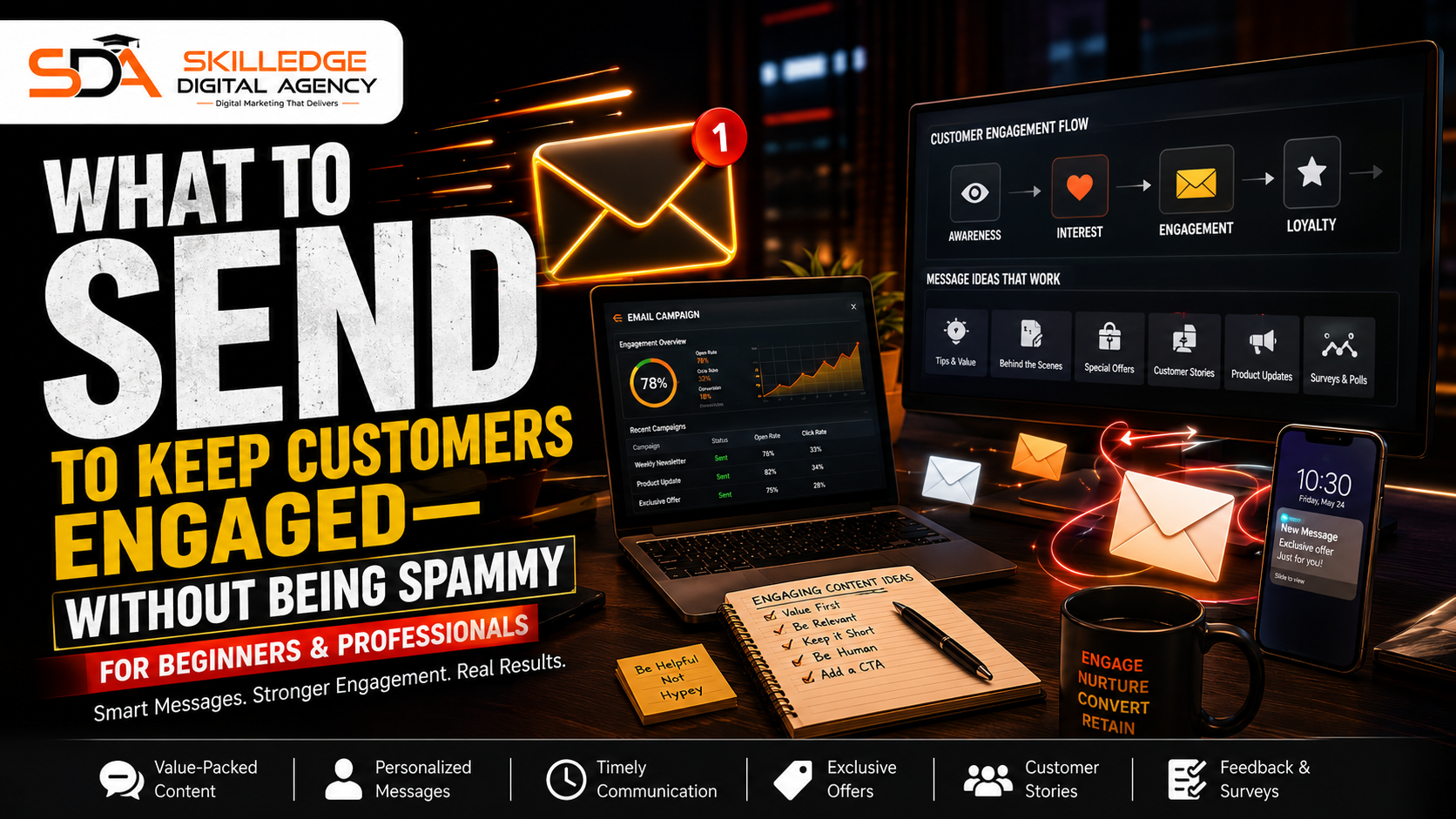
What to Send to Keep Customers Engaged—Without Being Spammy: Digital Marketing for Restaurants
Don’t just blast out generic ads. Your emails must deliver value. The goal is to make people look forward to seeing your name in their inbox. Your email campaigns should feel like a personal invitation, not advertising. Focus on sharing news, telling stories, and offering exclusive deals.
Simple Email and SMS Ideas That Work:
-
The Weekly Special: Send an email every Thursday announcing your weekend specials to get people thinking about their weekend plans. For SMS, send a Tuesday text at 2 PM: “$10 entrees tonight only. Show this text.”
-
Holiday and Event Promotions: Announce your Valentine’s Day menu or Mother’s Day brunch to your email list first, giving them early access to reservations. Drive reservations 2-3 weeks in advance for peak periods.
-
Behind-the-Scenes Content: Share a quick story about the inspiration for a new dish or introduce a new kitchen team member to build a personal connection.
-
Birthday and Anniversary Campaigns: Automated personal touches that drive incremental visits. “Happy Birthday! Come in this week and get a free dessert.”
-
Slow-Day Promotions: Fill Tuesday and Wednesday tables with targeted offers to your warmest audience. Segment your audience by visit frequency and send offers to people who haven’t visited in 30+ days.
-
VIP and Loyalty Communications: Make your best customers feel like insiders. “You’re a VIP—here’s exclusive access to our new menu before anyone else.”
-
Seasonal and Holiday Campaigns: Drive reservations well in advance for peak periods. The restaurant that plans December’s marketing in October fills 200 seats for New Year’s Eve. The one that starts thinking about it on December 15th scrambles.
Segment your audience by visit frequency, average spend, preferred dining occasions, and menu preferences to deliver personalized messages that feel relevant rather than spammy. This segmentation is what separates digital marketing strategy for a restaurant that works from one that doesn’t.
How to Use Paid Ads Without Wasting Money on Fast Digital Marketing for Restaurants: Digital Marketing for Restaurants
Spending money on ads can be nerve-wracking when margins are thin. But paid advertising isn’t about throwing money at a billboard. It’s about a small, calculated bet to get a direct return, like filling your dining room on a slow Tuesday.
Think of ads on platforms like Facebook and Instagram as a hyper-focused digital flyer. You’re giving them only to people within a 3-mile radius who have shown interest in local restaurants. It’s a precision tool. This targeted approach is why social media advertising is a core part of modern digital marketing for restaurants.
When to Open Your Wallet for Ads—Never Randomly
Randomly boosting posts burns through your budget. You need a clear goal for every dollar. The best times to run a paid campaign:
-
To Fill Seats on Slow Nights: Run an ad from Monday to Wednesday promoting a “Two-for-One Burger Night.” Target people who live or work within a 2-5 mile radius. Spend $10-$15 per day.
-
To Launch a New Menu: Spend $50-$100 on ads to announce the launch and show off your best new items to a local audience. Run for 5-7 days.
-
To Promote a Special Event: Hosting a Mother’s Day brunch or a wine dinner? Ads are perfect for selling tickets and locking in reservations. Start 2-3 weeks before the event.
-
During a Major Local Event: Is there a festival or concert nearby? Target attendees with an ad for a pre-event dinner special. Geotarget the event location.
Your First Hyper-Local Ad Campaign—Step by Step: Digital Marketing for Restaurants
Let’s walk through a simple, effective ad on Facebook. The goal is to spend $50 to drive traffic for a specific promotion.
Objective: Promote a new weekend brunch special.
-
Choose Your Creative: Find one fantastic photo or a short video (under 15 seconds) of your best brunch dish. Motion beats static—show eggs being poured, syrup dripping, or bacon sizzling.
-
Write Simple, Direct Copy: Get straight to the point. Example Ad Copy: “Our new weekend brunch is here! 🍳 Join us Sat & Sun 10 AM – 2 PM for Chorizo Benedict and $5 Mimosas. We’re on Main Street. Book your table!”
-
Set Your Location Targeting: Target people living in or recently in a 3-mile radius of your restaurant. This is the most critical setting for restaurant online advertising agency success.
-
Set Your Age Range: Set an appropriate age range for your ideal customer (e.g., 25-55).
-
Set Your Budget and Schedule: For a weekend promotion, run the ad from Thursday to Sunday morning. A budget of $10-$15 per day is plenty to start.
-
Include a Clear Call-to-Action (CTA): Use the “Book Now” button and link it directly to your reservation page. Remove every barrier between seeing the ad and making a reservation.
-
Use Dynamic Search Ads: Implement dynamic search ads (DSAs) to automatically generate relevant ads based on your website content. This saves time and improves relevance.
-
Set Up Remarketing Campaigns: Re-engage visitors who have previously interacted with your website. Customize your ads to offer special promotions or remind them of their previous interest in your restaurant.
With a small budget and focused targeting, paid ads become a reliable tool for driving business when you need it most. This precision is what makes fast digital marketing for restaurants actually work.
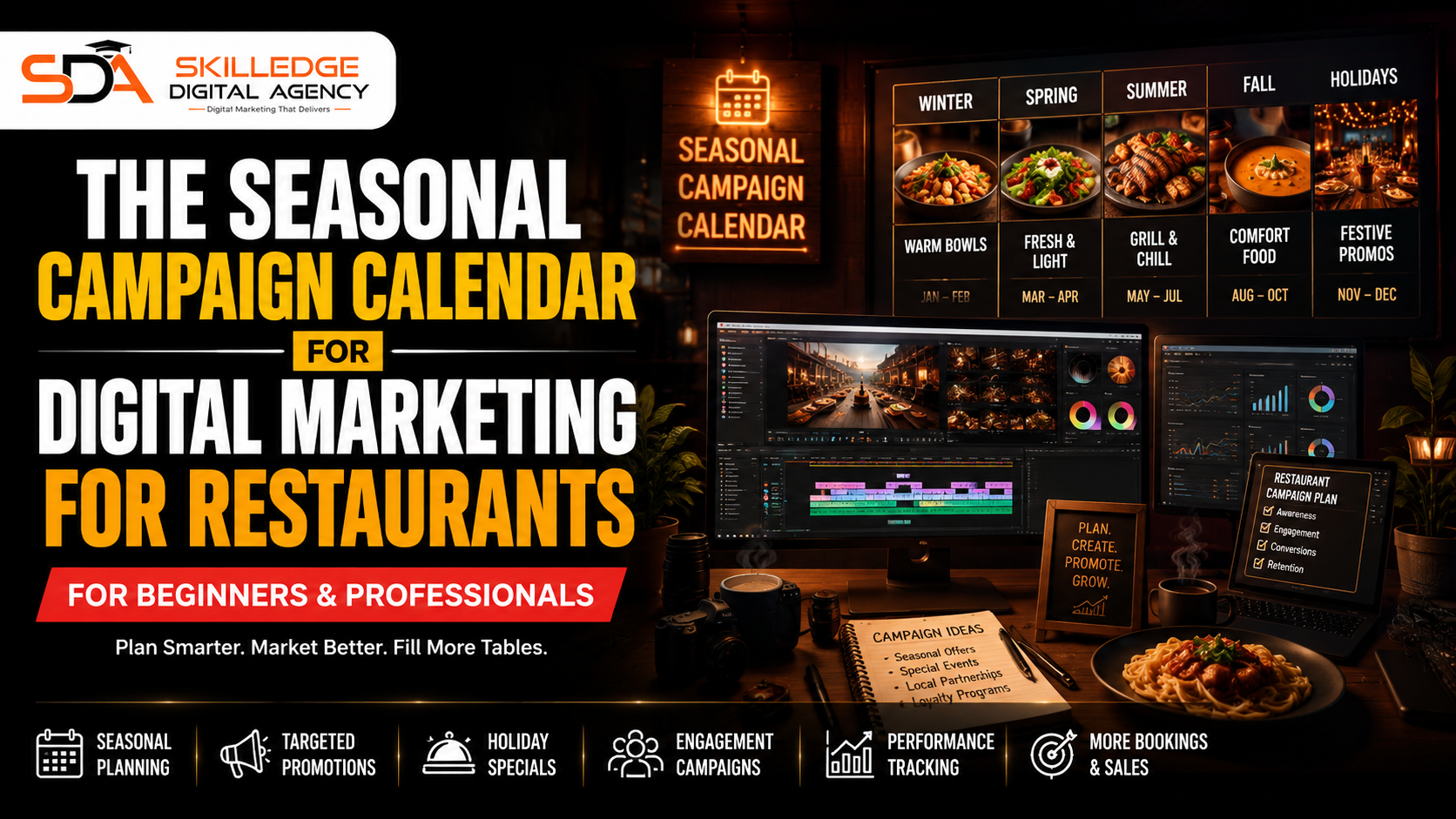
The Seasonal Campaign Calendar for Digital Marketing for Restaurants: Digital Marketing for Restaurants
Restaurants that plan marketing seasonally instead of reactively see dramatically more consistent revenue. Here’s the framework we use at Skilledge Digital Agency with our hospitality clients:
January-February:
-
New Year health menus
-
Valentine’s Day pre-sell (start 3 weeks early)
-
Slow-season loyalty pushes
-发送 SMS to regulars who haven’t visited in 60+ days
March-May:
-
Patio season launch
-
Mother’s Day campaign
-
Graduation catering
-
Spring menu announcements
June-August:
-
Summer specials
-
Outdoor events
-
Tourist season capture
-
Back-to-school prep
-
Happy hour promotions for summer workers
September-November:
-
Fall menu launch
-
Holiday party bookings
-
Thanksgiving pre-orders
-
Halloween specialty events
December:
-
Holiday catering
-
Gift card campaigns
-
New Year’s Eve packages
-
Winter comfort food promotions
Each of these drives a specific email and social campaign with clear calls to action, reservation links, and trackable results. The restaurant that plans December’s marketing in October fills 200 seats for New Year’s Eve. The one that starts thinking about it on December 15th scrambles.
This seasonal approach is essential for any digital marketing strategy for restaurants that wants predictable revenue.
Your Weekly Digital Marketing Action Plan for Restaurants: Digital Marketing for Restaurants
Knowing what to do is one thing; doing it while running a restaurant is another. This isn’t about adding a massive project. It’s about building small, consistent habits. Think of it like weekly inventory—you break it down.
A Realistic Schedule for Busy Owners
The goal is consistency, not perfection. If you miss a day, just pick it up when you can. This schedule turns “marketing” into a clear checklist. By dedicating small blocks of time to specific channels, you build steady momentum.
Monday (1 Hour): Google Business Profile Check-Up
-
Check your hours for accuracy
-
Respond to new reviews within 24 hours
-
Upload one fresh photo
-
Post about a weekly special
Tuesday (1.5 Hours): Social Media Scheduling
-
Use a simple tool to schedule 3-4 posts for the week
-
Mix it up: a food shot, a behind-the-scenes video, a team spotlight
-
Post at least one Story daily
Wednesday (1 Hour): Email Planning
-
Draft a simple email for the weekend
-
Announce specials or an upcoming event
-
Keep it short and give them a reason to come in
-
Segment your audience before sending
Thursday (30 Minutes): Community Engagement
-
Scroll through your social media tags
-
Thank people for stopping by
-
Repost a great customer photo
-
Respond to comments within 2 hours
Friday (30 Minutes): Weekend Prep
-
Final check of your scheduled posts
-
Ensure your Google profile is ready for the weekend rush
-
Send SMS reminder for weekend specials at 2 PM
And don’t forget to focus on:
-
Perfecting your Google Business Profile: This is non-negotiable for capturing local searchers.
-
Consistently posting on social media: This is where you build a community and show your vibe.
-
Launching simple email marketing campaigns: This is your secret weapon for driving repeat business.
This approach to digital marketing for restaurants breaks everything down into bite-sized tasks. It creates a sustainable rhythm that consistently attracts new guests and turns them into regulars.
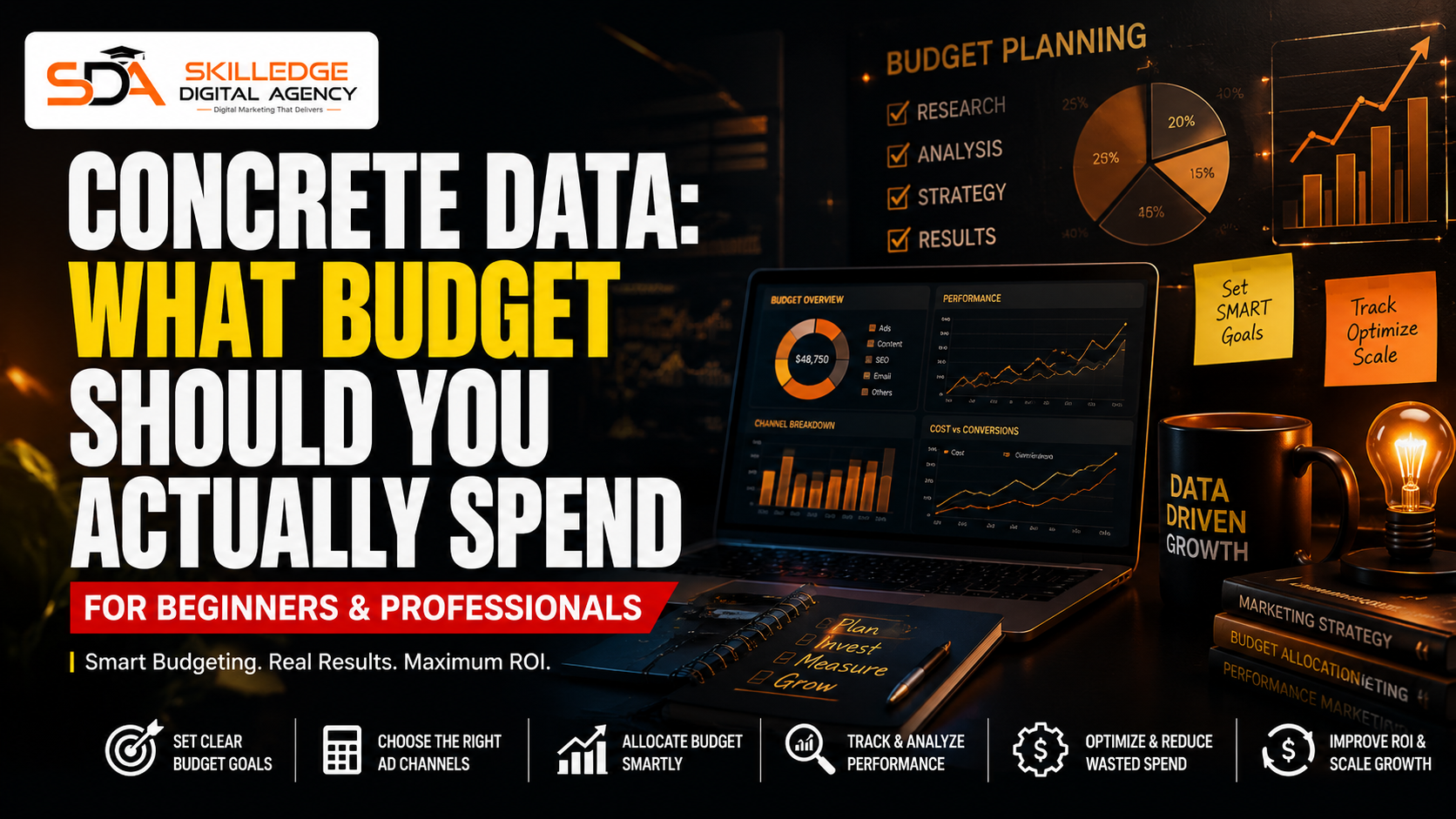
Concrete Data: What Budget Should You Actually Spend?: Digital Marketing for Restaurants
A good starting point is 3-6% of your total revenue.
If you’re new, lean closer to 6% to build awareness. An established spot can often get great results closer to 3%. How you spend it matters more than the total amount. A small, targeted Facebook ad to fill tables on a slow Tuesday offers a better return than a big, unfocused ad.
For a $2M restaurant, that’s $60K-$120K per year or $5K-$10K per month. The key is tracking ROI by channel: if your email campaigns generate $8 for every $1 spent, that’s money you should be scaling, not cutting.
Start with Google and email—they have the highest ROI for restaurants. Then add social and paid campaigns as you build data on what works for your specific concept and market. This data-driven approach is what separates best digital marketing for restaurants from guesswork.
Common Questions About Digital Marketing for Restaurants (Answered): Digital Marketing for Restaurants
Do I Really Need a Website if I Have a Facebook Page?
Yes. Absolutely. Your website is the only piece of the internet you truly own and control.
Social media platforms are like rented land. They can change the rules and limit who sees your posts overnight. Your website is your digital home base. It’s where you control your brand story, display your menu how you want, and capture online orders without paying huge commissions to third-party apps. All your marketing should point back to your site.
What Is the Best Digital Marketing Strategy for a Restaurant?: Digital Marketing for Restaurants
The best strategy is a balanced one that covers the entire guest journey.
For most independent restaurants, a winning combination is:
-
Google Business Profile optimization (free, highest-intent traffic)
-
Email and SMS marketing (you own this channel)
-
Social media consistency (stays top of mind between visits)
These three pillars work together to bring new guests in and keep regulars coming back. This balanced approach is the foundation of any effective digital marketing strategy for a restaurant.
Should I Use a Food Influencer Marketing Strategy?: Digital Marketing for Restaurants
Influencer visits create a spike, not a system. One post might drive 50 new covers in a week—but then what?
If you don’t capture those visitors’ contact information and bring them back through email and SMS, you paid for one visit instead of building a customer relationship. Use influencer content as fuel for your owned channels (repost it, use it in ads, feature it on Google) but don’t build your marketing strategy around it. The system always beats the spike.
What’s More Important for a Restaurant: Instagram or Google?
Google, hands down. Instagram builds awareness over time, but Google captures people actively looking for a place to eat right now.
Optimize your Google Business Profile first—it’s free and drives the highest-intent traffic. Then use Instagram to stay top of mind between visits and create content that reinforces your brand. The best restaurants don’t choose between the two—they use Google to capture new customers and Instagram plus email to keep them coming back. This dual approach is critical for internet marketing for restaurants success.
How Do I Get More Online Reviews Without Being Awkward?
Getting reviews doesn’t have to be awkward. Train staff to ask happy customers naturally: “We’re a small business and reviews really help us out. If you enjoyed your meal, we’d appreciate you sharing your experience on Google.”
Also, respond to reviews—both good and bad—to show you’re engaged. A steady stream of recent, positive reviews is one of the strongest signals to Google and potential customers that your restaurant is a trusted establishment.
What If I Don’t Have a Marketing Team?: Digital Marketing for Restaurants
You don’t need one. The systems I’ve outlined here are designed for solo owners or small teams. The weekly action plan I shared takes about 5 hours total per week. That’s less than an hour a day.
If you want help implementing this at scale, restaurant digital marketing services from agencies like Skilledge Digital Agency can execute these systems while you focus on running your kitchen and serving guests.
The Skilledge Digital Agency Difference: Why We Specialize in Restaurant Digital Marketing Services
At Skilledge Digital Agency, we’ve worked with over 150 hospitality businesses. We don’t just “do marketing”—we build systems that fill tables on a Tuesday, not just Friday night.
Here’s what makes our restaurant digital marketing services different:
We Understand Restaurant Margins
We know you’re running a tight business. Every dollar spent needs to show ROI. We track everything by channel and optimize for profit, not just vanity metrics like “likes.”
We Build Owned Channels First
Before we spend money on ads, we build your email and SMS lists. These are channels you own. They’re the most profitable long-term assets for any restaurant.
We Create Content That Feels Human
Our content teams shoot behind-the-scenes moments, not just polished food photos. We show your chef prepping, your team laughing, your regulars getting recognized. This authenticity drives 8M+ organic views for our clients.
We Integrate All Channels
Your Google, social, email, and ads all work together. We don’t run them as silos. This integration creates compounding returns that separate marketing efforts can’t achieve.
We Plan Seasonally, Not Reactively
We build your marketing calendar 3-6 months ahead. December’s marketing starts in October. Valentine’s Day starts in January. This planning prevents the scramble that kills revenue.
If you’re ready to apply this system to your restaurant, let’s talk. Our team reviews every application within 48 hours, and we only work with select clients to maintain quality.
Action Steps: Start Your Digital Marketing for Restaurants Transformation Today: Digital Marketing for Restaurants
You’ve got the system. Now here’s what to do next:
Week 1: Audit and Fix Your Google Business Profile
-
Complete every section
-
Upload 10+ high-quality photos
-
Enable messaging
-
Set up review response protocol
-
Post your first weekly special
Week 2: Launch Email Collection
-
Add signup form to your website
-
Train staff on the appetizer offer
-
Set up Wi-Fi splash page if you offer Wi-Fi
-
Enable opt-in in your reservation system
Week 3: Create Your First Email Campaign
-
Draft a weekend specials email
-
Segment your audience by visit frequency
-
Send Thursday at 10 AM
-
Track open rate and reservation clicks
Week 4: Run Your First Hyper-Local Ad
-
Pick a slow-night promotion
-
Set budget to $50 total
-
Target 3-mile radius
-
Use “Book Now” CTA linked to reservations
-
Run Thursday-Sunday
Month 2: Build Consistency
-
Follow the weekly action plan
-
Send email every Thursday
-
Send SMS every Tuesday at 2 PM
-
Post 3-4 times weekly on social
-
Upload one photo weekly to GBP
Month 3: Scale What Works
-
Double down on channels with highest ROI
-
Add more segmentation to email
-
Increase ad budget on campaigns that convert
-
Build seasonal campaign for next quarter
The restaurant that wins isn’t the one with the best food photos. It’s the one that built a system—a repeatable, measurable engine that drives covers week after week.
Final Thoughts: Digital Marketing for Restaurants Is About Owning Your Customer Relationship
Years ago, a good location was enough. Today, your first impression happens on a phone screen.
The search for “best tacos near me” is the new word-of-mouth. If you’re not showing up, you’re invisible to a huge group of potential customers. This isn’t just posting food photos. It’s a targeted system for reaching the right people at the right time.
Think of digital marketing like your prep list. You wouldn’t start dinner service without your mise en place; you shouldn’t expect a full dining room without a solid online presence. It’s that foundational.
The best digital marketing for restaurants isn’t about chasing trends or going viral. It’s about building a system that works every day, regardless of season or weather. It’s about owning the relationship with your customer so you can bring them back on a Tuesday in January, not just a Friday in June.
You’ve got the playbook now. The three-engine system. The seasonal calendar. The weekly action plan. The question is: will you execute?
Because the restaurant that fills tables consistently isn’t the one with the secret ingredient. It’s the one with the system.
Ready to implement this system for your restaurant?
At Skilledge Digital Agency, we specialize in restaurant digital marketing services that fill tables every night. Our team has worked with 150+ hospitality businesses and built systems that drive compounding returns.
Skilledge Digital Agency

What Skilledge Digital Agency delivers for your brand
| Service / Feature | What you get | Included in |
|---|---|---|
Search Engine Optimization (SEO) |
||
|
Technical SEO Audit
Site speed, crawlability, Core Web Vitals, schema markup
|
Faster rankings, zero penaltiesFull technical overhaul with monthly monitoring | All Plans |
|
Keyword Strategy & Mapping
Competitor gap analysis + intent-based clustering
|
Traffic that convertsTarget buyers, not browsers | All Plans |
|
Authority Link Building
White-hat backlinks from DA 40+ real publishers
|
Domain authority growthSustainable, Google-safe link profile | Growth+ |
|
Local & Hyperlocal SEO
GMB optimization, citations, local schema
|
Dominate “near me” searchesMap pack visibility + local trust signals | All Plans |
Paid Advertising (PPC & Meta) |
||
|
Google Ads Management
Search, Display, Shopping & Performance Max
|
3–5× ROAS targetExpert bid strategy + A/B ad copy testing | Growth+ |
|
Meta / Instagram Ads
Audience targeting, retargeting funnels, creative testing
|
Lower CPL, higher CTRFull-funnel Meta campaigns built to scale | Growth+ |
|
Landing Page Optimization
CRO-focused pages designed to convert ad traffic
|
Higher Quality ScoreReduced bounce, better ad relevance | Elite |
Content Marketing |
||
|
SEO Blog & Article Writing
Long-form, E-E-A-T optimized, topic cluster strategy
|
Organic traffic engineContent that ranks and drives leads for months | All Plans |
|
Short-form Video & Reels
Script, shoot guidance, editing & platform optimization
|
Viral-ready contentBuilt for TikTok, Instagram & YouTube Shorts | Growth+ |
|
Content Calendar & Strategy
30/60/90-day editorial plan aligned to business goals
|
Consistent brand voiceNever run out of ideas or miss a moment | All Plans |
Social Media Management |
||
|
Platform Management (5 channels)
IG, FB, LinkedIn, X, YouTube — posting & community
|
Active, engaged audienceDaily management + comment/DM response | Growth+ |
|
Social Media Analytics
Reach, engagement rate, follower growth tracking
|
Data-backed decisionsMonthly performance deck with insights | All Plans |
|
Influencer Collaboration
Micro to macro influencer identification & outreach
|
Social proof at scaleAuthentic reach to new, targeted audiences | Elite |
Email & CRM Marketing |
||
|
Email Campaign Management
Design, copy, list segmentation & automation flows
|
40%+ open ratesPersonalized sequences that nurture and close | Growth+ |
|
Marketing Automation
Lead nurture, cart abandonment, re-engagement drips
|
Revenue on autopilotWorks 24/7 to move leads down the funnel | Elite |
Analytics, Reporting & Strategy |
||
|
Monthly Performance Reports
Custom dashboards: traffic, leads, ROAS, rankings
|
Full transparency, no fluffKnow exactly what’s working and why | All Plans |
|
GA4 + Search Console Setup
Full tracking configuration, event goals, attribution
|
Zero tracking blind spotsAccurate data from day one | All Plans |
|
Competitor Intelligence
Quarterly deep-dive: gaps, opportunities, market share
|
Stay 3 steps aheadKnow what rivals do before they scale it | Elite |
Website & Conversion |
||
|
CRO — Conversion Rate Optimization
Heatmaps, A/B tests, UX fixes, form optimization
|
More leads, same trafficTurn visitors into enquiries without extra ad spend | Elite |
|
Website Speed & Core Web Vitals
Performance optimization, image compression, caching
|
Google loves fast sitesBetter UX, better bounce rate, better rankings | All Plans |
|
Ready to grow with Skilledge?Get a free audit & custom strategy — no obligation, no fluff.
|
||
Contact Skilledge Digital Agency Today:
📱 Phone/WhatsApp: +91 62914-22636 / 98313-81933
📧 Email: Mktg@SkilledgeDigitalAcademy.Com
🌐 Website: www.skilledgedigitalacademy.com/services/
Get Connected: