
When people talk about SEO, they usually jump straight to keywords, content, and backlinks. But the truth is, technical SEO is the foundation that decides whether all that effort actually gets seen by search engines. If the foundation is weak, even the best content can sit quietly in the shadows, waiting for Google to properly crawl, index, and understand it: Technical SEO: what it is and why it matters.
At Skilledge Digital Agency, we treat technical SEO as the invisible growth system behind every successful organic strategy. It’s not just about fixing errors inside a website audit tool. It’s about making sure your site can be discovered, rendered, interpreted, and trusted at scale. That’s why technical SEO matters so much for businesses that want sustainable rankings, better user experience, and stronger conversions.
In this guide, I’ll walk you through the real meaning of technical SEO, the important components of technical SEO, the best technical SEO practices, and how we use this discipline to improve real business outcomes. We’ll also look at Google technical SEO signals, on page technical SEO overlaps, and how the best technical SEO agencies think about audits and implementation.
What technical SEO really means: Technical SEO: what it is and why it matters
Technical SEO is the process of optimizing a website so search engines can crawl it efficiently, index the right pages, and understand the content correctly. It includes backend and frontend factors such as site structure, page speed, mobile friendliness, index control, structured data, canonicalization, and server response behavior.
A lot of beginners think technical SEO is only about fixing broken links or submitting an XML sitemap. Those tasks matter, but they’re only a small part of the picture. Technical SEO is really about making the website machine-readable without making it less human-friendly. That balance is what gives organic growth its stability.
Think of your website like a building. Content is the furniture, visuals are the interior design, and technical SEO is the electrical wiring, plumbing, and structural engineering. If those systems fail, the building may still look beautiful, but it won’t function properly. That’s exactly why technical SEO matters before you even scale your content strategy.
At Skilledge Digital Agency, we often say that technical SEO is not a one-time fix. It’s a continuous maintenance system. Websites change, platforms update, products are added, content is published, and scripts get heavier over time. If technical health is not monitored regularly, performance slips quietly until rankings and conversions start to suffer.
Why technical SEO matters: Technical SEO: what it is and why it matters
The reason technical SEO matters is simple: search engines can only rank what they can effectively access and understand. If a page is blocked, slow, duplicated, or poorly structured, it may not achieve its true organic potential. A strong content asset can still underperform if technical barriers prevent discovery or interpretation.
Technical SEO matters for three major reasons: visibility, efficiency, and scalability. Visibility means your pages can be found and indexed. Efficiency means search engines don’t waste crawl budget on low-value or duplicate URLs. Scalability means your site can grow without creating a technical mess that slows everything down.
For ecommerce websites, this becomes even more important. Product filters, faceted navigation, pagination, variant URLs, and duplicate content can create thousands of unnecessary crawl paths. If these are not handled properly, search engines may spend more time on duplicate pages than on your actual money pages. That’s where improving technical SEO becomes directly tied to revenue.
Technical SEO also matters because it supports user experience. A site that loads slowly, shifts during rendering, or behaves inconsistently on mobile can frustrate users and reduce engagement. Google’s own guidance emphasizes helpful, reliable, people-first content and strong page experience signals. That means technical performance is not separate from content quality — it helps deliver content in a way users can actually enjoy.
At Skilledge Digital Agency, we’ve seen technical fixes unlock performance improvements without changing the main content. That’s the part many businesses underestimate. Sometimes the fastest path to growth is not publishing more pages; it’s removing the barriers that stop the existing pages from performing.
The important components of technical SEO: Technical SEO: what it is and why it matters
The important components of technical SEO work together like a system. If one piece is broken, the others lose effectiveness. Here’s how we break it down in a practical way.
1. Crawlability
Crawlability is the ability of search engine bots to access your pages through links and site structure. If bots cannot reach a page, that page is effectively invisible to search engines. Crawlability is influenced by internal linking, robots.txt, XML sitemaps, site architecture, and server responses.
A strong internal linking structure helps crawlers move naturally through your site. It also helps users discover related content. This is why content clusters, breadcrumb navigation, and clear category structures are so useful. They’re not just for UX — they also support better indexing behavior.
2. Indexability
Indexability refers to whether a crawled page can be stored in the search engine index. A page might be crawlable but still not indexable because of noindex tags, canonical conflicts, thin content, duplicate signals, or rendering issues. This is one of the most misunderstood parts of technical SEO.
A page should only be indexable if it genuinely deserves organic visibility. That means low-value pages, duplicate filters, internal search results, and temporary URLs should usually be excluded strategically. On the other hand, important landing pages, product pages, and editorial content should be easy to index and reinforce through internal signals.

3. Site speed and performance
Performance is a major part of technical SEO because slow pages hurt both user experience and search efficiency. Google has long emphasized Core Web Vitals as real-world user experience metrics. These include loading, interactivity, and visual stability.
The main goal is not just to “make the site faster” in a vague sense. The real goal is to reduce friction. That includes compressing images, reducing JavaScript bloat, deferring unnecessary scripts, improving caching, and removing render-blocking resources. Faster sites tend to perform better because they help both bots and users move more smoothly.
4. Structured data
Structured data helps search engines understand page context more precisely. It uses schema markup to define what a page contains, such as a product, article, FAQ, organization, breadcrumb, or service page. When implemented correctly, structured data can support rich results and more accurate interpretation.
This is one of the most valuable yet underused parts of technical SEO. Many sites either don’t use schema at all or overcomplicate it with invalid markup. The best approach is to keep it clean, relevant, and aligned with visible content. Search engines reward clarity, not schema spam.
5. Canonicalization
Canonical tags tell search engines which version of a page should be treated as the preferred version. This matters a lot for duplicate content, pagination, parameterized URLs, and product variants. Without clean canonical logic, search engines may split ranking signals across several versions of the same page.
We use canonicalization to reduce duplication and consolidate authority. It’s especially important for ecommerce and publishing sites where similar pages can appear in multiple formats. If canonicals are inconsistent, indexation becomes messy and ranking signals become diluted.
6. Mobile optimization
Mobile-first indexing means search engines evaluate the mobile version of your site as the primary version in many cases. That makes mobile usability a core technical SEO concern, not an optional enhancement. Your content, layout, speed, and functionality must work well on smaller screens.
This includes readable fonts, tap-friendly buttons, responsive design, and lean code. If the mobile experience is broken or incomplete, rankings can suffer. That’s why technical SEO and responsive design must be aligned from the start.
7. Security and trust
HTTPS is not just a user trust signal; it’s a basic technical expectation. Secure browsing protects users and strengthens website credibility. Security also includes avoiding mixed content issues, maintaining stable hosting, and preventing unnecessary downtime.
A technically healthy site gives both users and search engines confidence. That matters more than people think. Search visibility is easier to earn when the site behaves predictably and securely.
Google technical SEO and search understanding: Technical SEO: what it is and why it matters
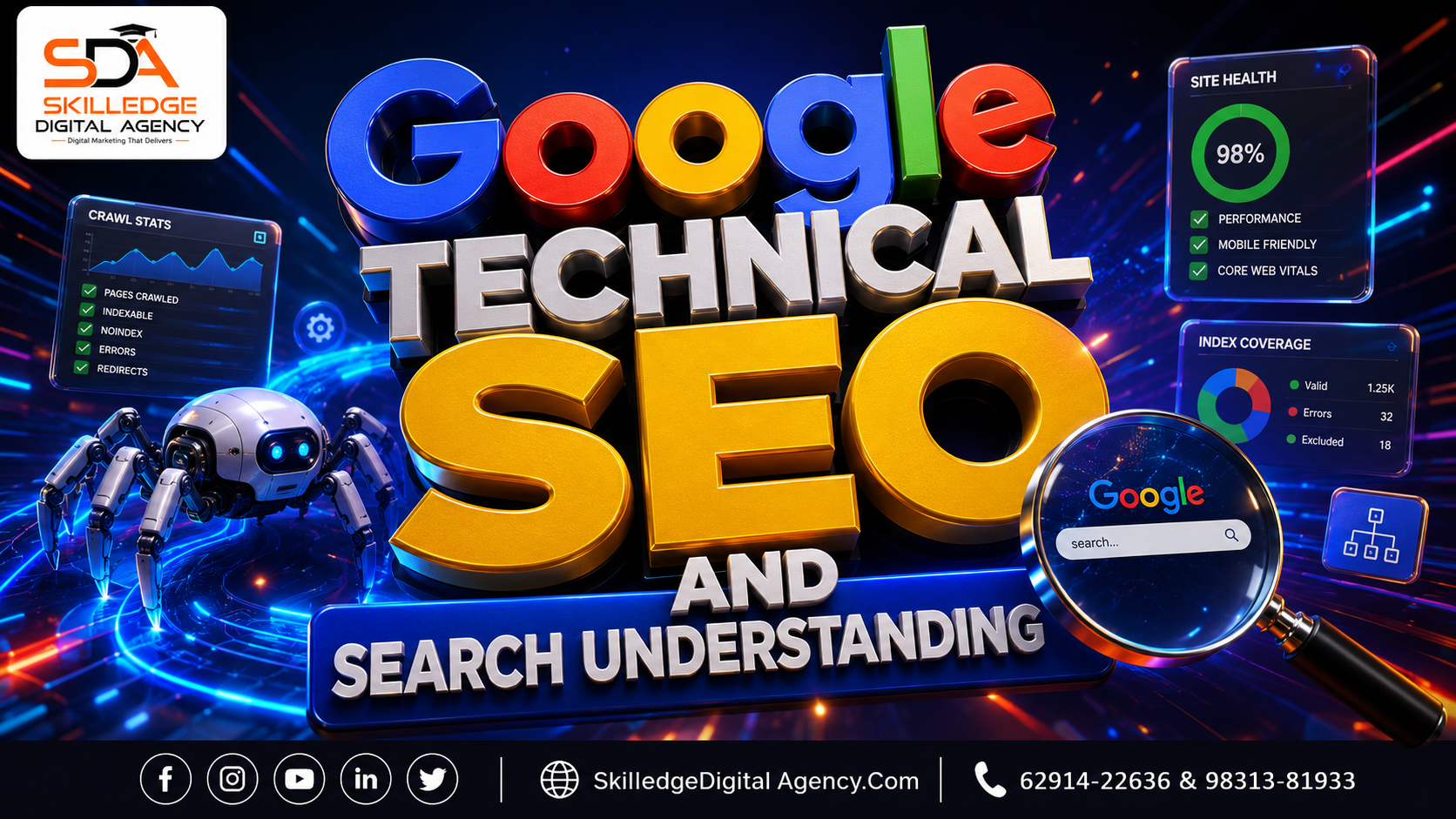
Google technical SEO is really about helping Google do its job better. Search engines need to crawl URLs, render pages, understand content relevance, and make decisions based on signals they can trust. The easier you make that process, the stronger your technical foundation becomes.
Google’s documentation emphasizes crawlable links, accessible content in text form, structured information, and best practices that support indexing and page understanding. If key information is hidden in inaccessible scripts, vague visual elements, or blocked resources, search engines may struggle to evaluate the page correctly.
This is why technical SEO is not separate from content strategy. If the search engine cannot interpret your content layer accurately, your rankings may never reflect your actual quality. Google technical SEO is about reducing ambiguity so the engine can confidently understand page purpose and relevance.
A good example is product pages. If product names, prices, reviews, and availability are only visible after difficult JavaScript execution, indexing becomes less reliable. If those elements are available cleanly in the rendered page and supported with schema, Google can understand them more consistently. That is a direct example of technical SEO improving search performance.
At Skilledge Digital Agency, we often use a simple question during audits: “Can Google see what a user sees, and can it understand it fast?” If the answer is no, then technical SEO work becomes urgent.
On page technical SEO and content alignment: Technical SEO: what it is and why it matters
On page technical SEO sits at the overlap of content and infrastructure. It includes the technical signals attached to a page, such as title tags, meta descriptions, header structure, internal links, image alt text, canonicals, schema, and robots instructions. These are not just content elements; they are technical signals that shape how a page is interpreted.
Many businesses think on page optimization ends with keyword placement. But on page technical SEO goes deeper than that. It’s about making sure each page has a clear purpose, a clean structure, and a consistent relationship to the rest of the site. When these elements align, search engines can process the page more reliably.
For example, a blog post can be well-written but still underperform if the title tag is too generic, the headings are disorganized, and the canonical points somewhere unexpected. Likewise, a landing page can be visually attractive but still weak if it loads slowly or contains blocking scripts that delay content rendering. Technical and on-page signals must reinforce each other.
At Skilledge Digital Agency, we often improve rankings by aligning these signals more intelligently rather than writing more content. Sometimes the page already has enough depth. It just needs the technical layer cleaned up so the page can perform as intended.
Technical SEO best practices: Technical SEO: what it is and why it matters
The best technical SEO practices are not random hacks. They are repeatable standards that reduce friction for users and search engines alike. If you want long-term stability, this is the discipline that keeps the site healthy as it grows.
1. Keep your site architecture simple: Technical SEO: what it is and why it matters
A flat, logical site architecture makes content easier to crawl and understand. Important pages should not be buried too deeply. If search bots need too many clicks to reach a page, that page may receive less crawl attention.
The goal is to create clear content pathways. Categories, subcategories, breadcrumbs, and contextual internal links all contribute to this. The cleaner the structure, the easier it is for users and bots to navigate.

2. Use XML sitemaps properly: Technical SEO: what it is and why it matters
An XML sitemap is not a ranking tool by itself. It’s a discovery aid. It should include only indexable, canonical URLs that matter to organic search.
A messy sitemap can confuse search engines. If it includes redirecting URLs, noindex pages, or duplicates, it weakens the signal. The best approach is to keep the sitemap clean, current, and aligned with your preferred URL structure.
3. Manage robots.txt carefully: Technical SEO: what it is and why it matters
Robots.txt tells bots where they should not go. It should be used with precision, not fear. Blocking important resources or pages can damage crawling and rendering.
A common mistake is overblocking CSS, JavaScript, or other assets that search engines need to render pages properly. If Google cannot load the resources it needs, it may misread the page. That’s why robots.txt should always be reviewed in the context of the site’s technical architecture.
4. Audit indexation regularly: Technical SEO: what it is and why it matters
A page that should be indexed but is not indexed needs immediate attention. A page that should not be indexed but is appearing in search results can also create problems. Regular index coverage reviews help identify these issues before they grow.
This is one of the easiest ways to stay ahead of technical debt. Search Console can reveal where pages are being excluded and why. Over time, these patterns show you whether your technical SEO is healthy or drifting.
5. Measure Core Web Vitals in context: Technical SEO: what it is and why it matters
Core Web Vitals are important, but they should be read in context. A site might have good lab scores and poor field scores, or the reverse. That difference tells you whether the issue is in the real user experience or the test environment.
We treat Core Web Vitals as diagnostic signals, not final verdicts. A bad score tells you where friction exists. A good score tells you the page is moving in the right direction. Technical SEO work becomes much more effective when these metrics are tied to real outcomes.
6. Use structured data responsibly: Technical SEO: what it is and why it matters
Structured data should support visible page content, not invent new claims. It works best when it is honest, relevant, and validated. For ecommerce, product schema, breadcrumb schema, and organization markup are often the most useful starting points.
The purpose is not to game search features. The purpose is to help search engines understand the page faster and more accurately. That distinction matters a lot if you want lasting results.

7. Monitor changes after deployment: Technical SEO: what it is and why it matters
Technical SEO is not finished when the fix goes live. Every change should be monitored. New scripts, theme updates, plugins, and redesigns can introduce unexpected problems.
This is where many teams fail. They improve one area and accidentally damage another. At Skilledge Digital Agency, we always encourage post-launch checks because the web is full of “small” changes that create big ranking issues later.
Improving technical SEO on large websites: Technical SEO: what it is and why it matters
Improving technical SEO on a small brochure site is one thing. Doing it on a large ecommerce platform, publisher, or marketplace is completely different. As the number of URLs grows, so does the complexity of crawl paths, duplicates, and performance risks.
The first step is identifying which URLs deserve attention. Not every page should be indexed. Not every filter should be crawlable. Not every variant should have its own ranking path. Large sites need strategic pruning and prioritization, or search engines can waste resources on low-value pages.
The second step is setting rules. Product parameter handling, pagination logic, canonical conventions, and template-level performance controls should be standardized. Once those rules are in place, the site becomes easier to manage at scale.
The third step is creating reporting that shows real improvement. If crawl efficiency rises, indexation improves, and organic traffic from priority URLs increases, you know the technical work is paying off. That’s the kind of reporting we like to show clients at Skilledge Digital Agency because it connects technical work to business outcomes.
Crawl budget and why it matters: Technical SEO: what it is and why it matters
Crawl budget is the amount of attention search engines allocate to a site over a given period. For very large sites, this matters a lot. If bots spend too much time on duplicate, low-value, or broken URLs, important pages may be crawled less often.
This is why crawl budget is not just a theory. It becomes a real operational problem when a website grows fast. New product pages, blog archives, filter combinations, and session-based URLs can all consume crawl resources that should be used elsewhere.
Improving technical SEO in this area usually means reducing unnecessary crawl paths, consolidating duplicates, improving server responses, and strengthening internal linking to priority pages. Once the site is more efficient, search engines can spend more time on what matters most.
At Skilledge Digital Agency, we often use crawl reports and log file analysis to see where bots are spending time. That shows us whether crawl behavior matches business priorities. If it doesn’t, technical SEO becomes a very practical rebalancing exercise.
Common technical SEO mistakes: Technical SEO: what it is and why it matters
A lot of websites lose visibility because of preventable mistakes. These are some of the most common ones we see.
Noindexing important pages: Technical SEO: what it is and why it matters
Sometimes pages are accidentally marked noindex during development and never corrected. This can block indexing entirely. It’s a surprisingly common issue after redesigns or migrations.

Broken canonical logic: Technical SEO: what it is and why it matters
If canonical tags point to the wrong URLs, search engines may ignore the intended page or split signals in odd ways. Canonical issues are especially common on ecommerce sites with variants and filters.
Overly complex JavaScript rendering: Technical SEO: what it is and why it matters
When major content depends on heavy client-side scripts, search engines may not process it as cleanly. This can delay or weaken indexing. The more critical the content, the more reliable the delivery should be.
Duplicate content at scale: Technical SEO: what it is and why it matters
Duplicate pages can arise from category filters, tag archives, session IDs, and alternate URL formats. If the site does not control these patterns, index quality suffers.
Slow site performance: Technical SEO: what it is and why it matters
A slow site hurts both users and search engines. Even if content is strong, performance drag can reduce crawl frequency and user satisfaction.
Poor redirect management: Technical SEO: what it is and why it matters
Redirect chains, loops, and incorrect status codes create confusion. They also waste crawl efficiency and slow down the user journey.
These are not exotic problems. They’re everyday technical SEO issues that can quietly damage a site’s organic performance. The best technical SEO agencies focus on solving these consistently rather than chasing flashy tactics.
How we diagnose a site at Skilledge Digital Agency: Technical SEO: what it is and why it matters
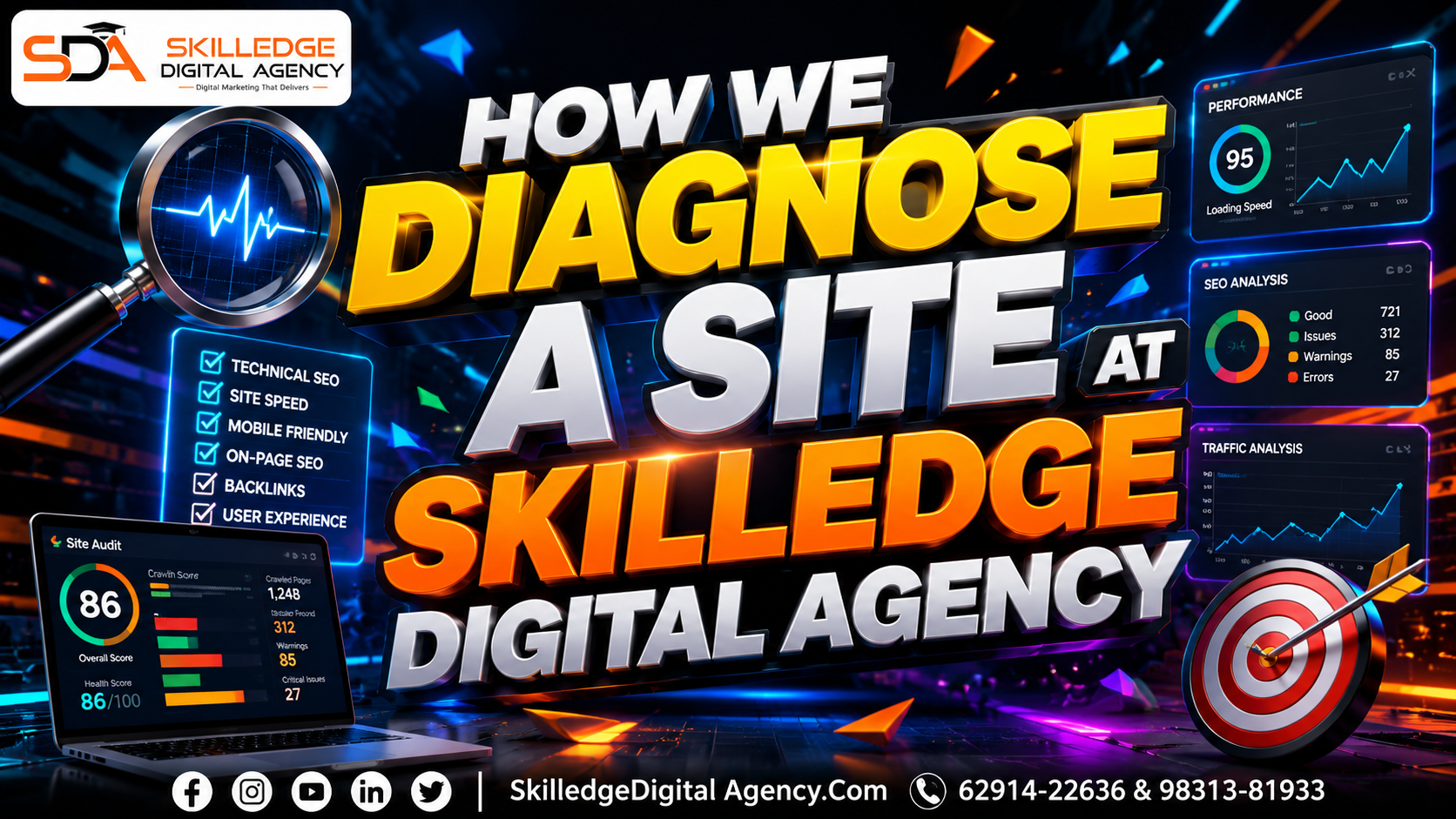
Our process starts with visibility. We want to understand what the site is doing, where it’s wasting resources, and where the biggest opportunities are. That means looking at both the front-end and the back-end of the experience.
We begin with a full crawl to map the site’s structure. Then we check index coverage, status codes, sitemap alignment, canonicals, and structured data. After that, we review performance metrics and, when possible, log files to see what search engines are actually requesting.
The point of this process is not to generate a giant list of issues. The point is to sort issues by impact. A broken revenue page is more urgent than a low-value archive page. A sitewide script issue deserves more attention than a cosmetic metadata mismatch. Good technical SEO is always about prioritization.
This is also why we believe the best technical seo agencies act like strategic partners, not just auditors. They don’t hand over a spreadsheet and disappear. They help the client understand what matters, why it matters, and what should be fixed first.
How technical SEO supports content strategy: Technical SEO: what it is and why it matters
Content strategy and technical SEO should never operate in silos. A content team can publish great articles, but if the site architecture is weak, the content may not gain traction. Likewise, a technically flawless site won’t grow if the content doesn’t satisfy search intent.
The strongest organic strategies combine both. Technical SEO ensures the site is discoverable and efficient. Content strategy ensures the site is relevant and valuable. Together, they create a system that supports rankings, traffic, and conversions over time.
This is especially important for brands publishing a lot of educational content. If your blog archive is messy, if your category pages are thin, or if internal linking is weak, your content may never reach its full potential. We often see that the fastest gains come from tightening the technical structure around the content library.
At Skilledge Digital Agency, we use this principle constantly. We build content with technical structure in mind and audit technical systems with content goals in mind. That’s what makes the strategy stronger.
Why the best technical SEO agencies think differently: Technical SEO: what it is and why it matters
The best technical SEO agencies don’t just run audits. They translate technical risk into business language. They know that a crawl issue on a category page is not just a “site problem” — it may be a traffic loss, a revenue loss, or a broken customer path.
They also understand implementation reality. A good recommendation is not useful if engineering can’t deploy it. That’s why the best agencies write clear tickets, offer QA guidance, and help monitor the rollout after the change goes live.
At Skilledge Digital Agency, we believe technical SEO is collaborative. It requires the strategist, the developer, the content lead, and the business owner to work from the same priorities. The agency’s job is to make that coordination simpler, not more confusing.
If you’re evaluating best technical seo agencies, look for three things: clarity, measurability, and accountability. Clarity means they can explain the issue in plain English. Measurability means they show how success will be tracked. Accountability means they stay involved after the recommendations are delivered.
What success looks like: Technical SEO: what it is and why it matters
You know technical SEO is working when a few things start happening together. More pages are being indexed correctly. Crawlers are spending more time on valuable URLs. Core Web Vitals are improving. Broken signals are decreasing. Organic traffic becomes more stable and less dependent on constant firefighting.
The best part is that these improvements usually compound. Better crawlability helps indexing. Better indexing helps visibility. Better performance helps engagement. Better engagement helps conversions. That is why technical SEO matters so much — it supports the entire chain, not just one link in it.
For many businesses, this is the difference between having a website and having a search-ready growth system. One exists. The other performs. Technical SEO is what turns the first into the second.
Final thoughts
If you want search growth that lasts, technical SEO has to be treated as a core discipline, not a side task. It is the foundation that allows content, links, and brand signals to do their work properly. Without it, even strong marketing can underperform.
At Skilledge Digital Agency, we see technical SEO as both a diagnostic skill and a growth lever. The more clearly you understand crawlability, indexability, performance, structured data, and site architecture, the better you can make decisions that actually move rankings and revenue. That’s the mindset we teach, and it’s the mindset that keeps organic growth scalable.
If you’re building a site, improving an existing one, or evaluating support from the best technical seo agencies, start with the fundamentals and work outward. Technical SEO rewards precision, consistency, and patience — but when it’s done right, the returns can be substantial.
Skilledge Digital Agency

What Skilledge Digital Agency delivers for your brand
| Service / Feature | What you get | Included in |
|---|---|---|
Search Engine Optimization (SEO) | ||
Technical SEO Audit Site speed, crawlability, Core Web Vitals, schema markup | Faster rankings, zero penaltiesFull technical overhaul with monthly monitoring | All Plans |
Keyword Strategy & Mapping Competitor gap analysis + intent-based clustering | Traffic that convertsTarget buyers, not browsers | All Plans |
Authority Link Building White-hat backlinks from DA 40+ real publishers | Domain authority growthSustainable, Google-safe link profile | Growth+ |
Local & Hyperlocal SEO GMB optimization, citations, local schema | Dominate “near me” searchesMap pack visibility + local trust signals | All Plans |
Paid Advertising (PPC & Meta) | ||
Google Ads Management Search, Display, Shopping & Performance Max | 3–5× ROAS targetExpert bid strategy + A/B ad copy testing | Growth+ |
Meta / Instagram Ads Audience targeting, retargeting funnels, creative testing | Lower CPL, higher CTRFull-funnel Meta campaigns built to scale | Growth+ |
Landing Page Optimization CRO-focused pages designed to convert ad traffic | Higher Quality ScoreReduced bounce, better ad relevance | Elite |
Content Marketing | ||
SEO Blog & Article Writing Long-form, E-E-A-T optimized, topic cluster strategy | Organic traffic engineContent that ranks and drives leads for months | All Plans |
Short-form Video & Reels Script, shoot guidance, editing & platform optimization | Viral-ready contentBuilt for TikTok, Instagram & YouTube Shorts | Growth+ |
Content Calendar & Strategy 30/60/90-day editorial plan aligned to business goals | Consistent brand voiceNever run out of ideas or miss a moment | All Plans |
Social Media Management | ||
Platform Management (5 channels) IG, FB, LinkedIn, X, YouTube — posting & community | Active, engaged audienceDaily management + comment/DM response | Growth+ |
Social Media Analytics Reach, engagement rate, follower growth tracking | Data-backed decisionsMonthly performance deck with insights | All Plans |
Influencer Collaboration Micro to macro influencer identification & outreach | Social proof at scaleAuthentic reach to new, targeted audiences | Elite |
Email & CRM Marketing | ||
Email Campaign Management Design, copy, list segmentation & automation flows | 40%+ open ratesPersonalized sequences that nurture and close | Growth+ |
Marketing Automation Lead nurture, cart abandonment, re-engagement drips | Revenue on autopilotWorks 24/7 to move leads down the funnel | Elite |
Analytics, Reporting & Strategy | ||
Monthly Performance Reports Custom dashboards: traffic, leads, ROAS, rankings | Full transparency, no fluffKnow exactly what’s working and why | All Plans |
GA4 + Search Console Setup Full tracking configuration, event goals, attribution | Zero tracking blind spotsAccurate data from day one | All Plans |
Competitor Intelligence Quarterly deep-dive: gaps, opportunities, market share | Stay 3 steps aheadKnow what rivals do before they scale it | Elite |
Website & Conversion | ||
CRO — Conversion Rate Optimization Heatmaps, A/B tests, UX fixes, form optimization | More leads, same trafficTurn visitors into enquiries without extra ad spend | Elite |
Website Speed & Core Web Vitals Performance optimization, image compression, caching | Google loves fast sitesBetter UX, better bounce rate, better rankings | All Plans |
Ready to grow with Skilledge?Get a free audit & custom strategy — no obligation, no fluff. | ||
Contact Skilledge Digital Agency
Skilledge Digital Agency
Phone/Whatsapp: +91 62914-22636 / 98313-81933
Email: Mktg@SkilledgeDigitalAcademy.Com
Website: www.skilledgedigitalacademy.com/services/
Social Links