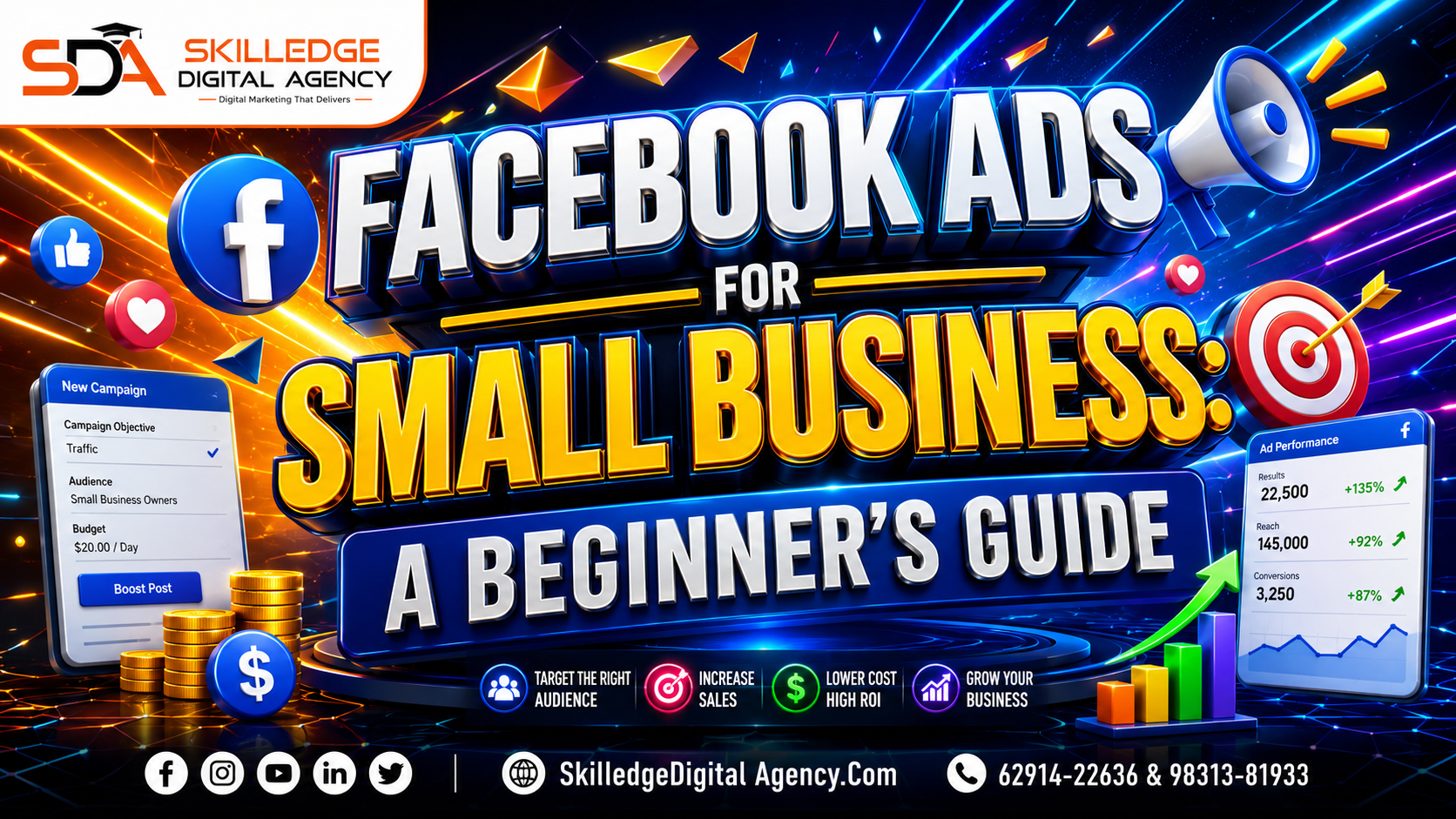
If you’re a small business owner, Facebook ads can feel like a noisy marketplace where everyone is shouting and nobody is really listening. The truth is simpler: when we build the right offer, speak to the right audience, and track what happens after the click, Facebook Ads for small business becomes one of the most practical growth tools you can use, Facebook Ads for small business: a beginner’s guide.
At Skilledge Digital Agency, we don’t treat paid social like a guessing game. We treat it like a measurable system, and that’s the mindset I want to give you in this guide.
Why most beginners lose money: Facebook Ads for small business: a beginner’s guide
Most beginners don’t lose money because Facebook ads are bad. They lose money because they start in the wrong place. They boost a post, choose a few interests, spend a little money, and then panic when sales don’t appear.
That approach skips the real work. Before ads can work, your message needs to be clear, your landing page needs to make sense, and your offer needs to give people a reason to act now. If any of those three pieces are weak, even the best targeting won’t save the campaign.
A useful way to think about ads is this: ads do not create demand out of thin air. They connect existing demand to your business faster. That means the job of the ad is not to “convince the internet.” The job is to catch the attention of the right people at the right moment and guide them toward a simple next step.
This is why so many small businesses get frustrated. They expect the ad to fix a broken offer, unclear pricing, or a weak follow-up process. But paid media is more like a delivery truck than a magic wand. If the product is messy, the truck still delivers a mess.
At Skilledge Digital Agency, we often tell beginners to slow down before they speed up. Build the message. Clean up the landing page. Decide what success looks like. Then run Facebook ads with intent, not hope.
What Facebook ads really do: Facebook Ads for small business: a beginner’s guide
Facebook ads are not just “ads on Facebook.” They are part of Meta’s larger advertising system, which also reaches Instagram and other placements inside the Meta ecosystem. That matters because the platform is designed to find people based on behavior, interests, location, and signals that suggest they may be ready to respond.
For small businesses, that opens a few powerful doors. A local salon can reach people in a specific radius. A bakery can promote a weekend offer. A service company can focus on leads inside a particular neighborhood or city. An ecommerce store can show a product to people who already demonstrated interest in similar items.
This is where Facebook Ads for small business becomes more than a marketing phrase. It becomes a way to buy attention efficiently when organic reach is too slow or unpredictable. Instead of waiting for people to discover you, you put the right message in front of the right audience.
That said, the platform works best when you respect how people use it. They are not opening Facebook to buy something immediately. They are scrolling, watching, reacting, and moving on. Your ad has to interrupt that pattern without feeling forced.
So the real question is not “Can Facebook ads work?” The real question is “Can we make our offer relevant enough to stop the scroll?” That’s the standard we use at Skilledge Digital Agency.
The beginner mindset shift: Facebook Ads for small business: a beginner’s guide
Most beginners think ads are about pushing harder. In reality, they’re about thinking clearer. The businesses that win usually have three things working together: a sharp offer, a specific audience, and a clean path to conversion.
Let’s break that down.
A sharp offer is one that feels easy to understand and hard to ignore. It doesn’t have to be flashy. It has to be clear. For example, “Free first consultation,” “20% off your first order,” or “Same-day repair booking” is easier to respond to than a vague promise like “Best service in town.”
A specific audience is not just “everyone who might buy.” It’s the group most likely to care right now. A small business that serves only one city should not advertise like a national brand. A clinic should not target like a fashion store. A local business needs location precision, while an ecommerce brand may need interest and behavior layering.
A clean path to conversion means the next step is obvious. If the ad promises a discount, the landing page should show the discount. If the goal is lead generation, the form should be short and easy. If the goal is calls or bookings, the contact action should be visible without hunting for it.
This beginner mindset matters because it prevents “random marketing.” When people say Facebook ads don’t work, they often mean their system was too vague to work. That’s the shift we want you to make: from random to structured.
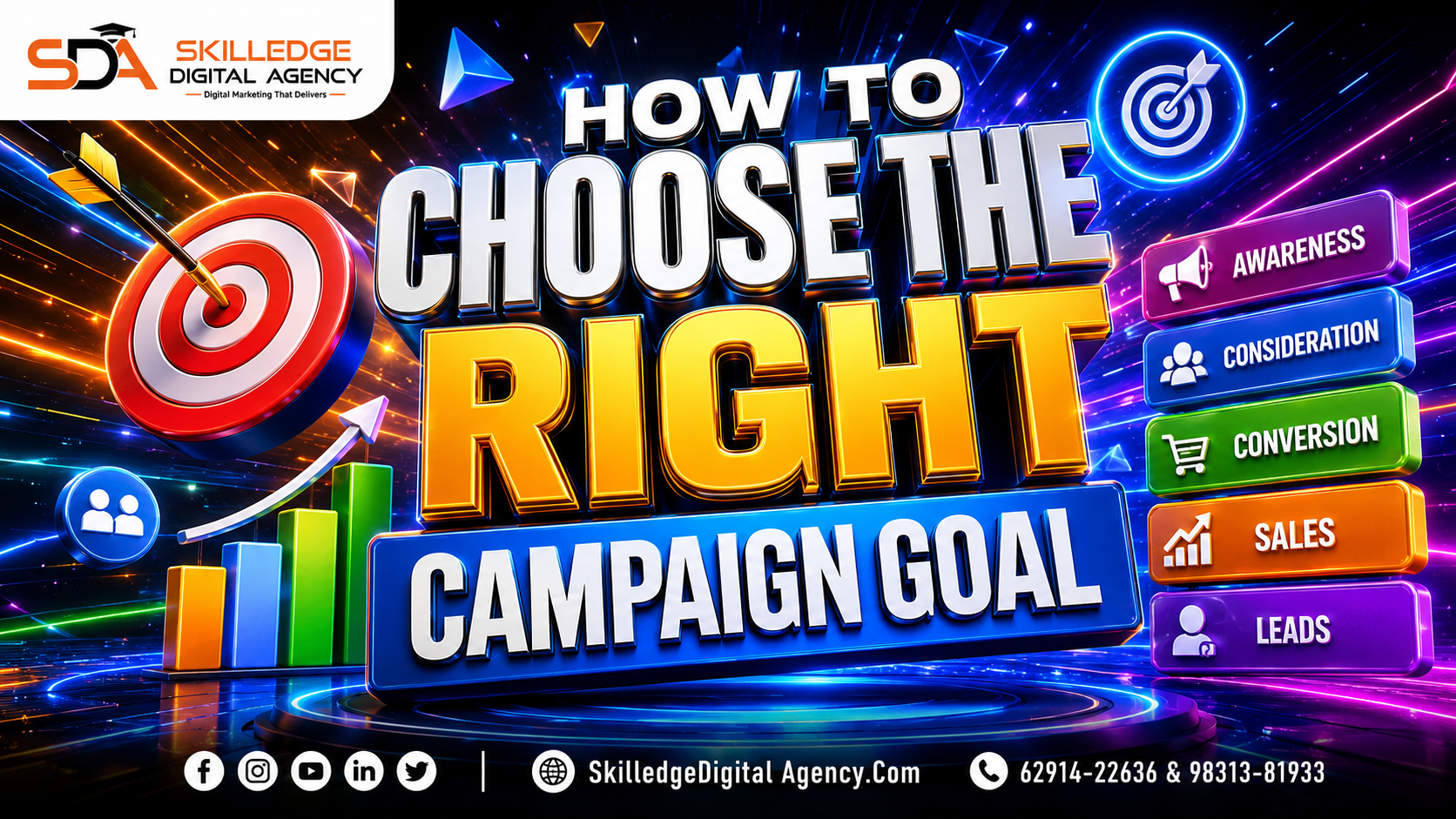
How to choose the right campaign goal: Facebook Ads for small business: a beginner’s guide
One of the most common mistakes beginners make is picking the wrong objective. They choose a campaign goal because it sounds familiar, not because it matches the actual business outcome they want.
If you want calls, bookings, or leads, the campaign should support that outcome directly. If you want sales, the campaign should be built around purchases, product interest, or conversion behavior. If you want awareness in a local area, the setup should match that stage of the customer journey.
A campaign goal is not a decoration. It tells the system what kind of people to look for and what action to optimize for. If you tell the platform to get clicks when you really want customers, you may get traffic that looks active but doesn’t convert.
This is where many small businesses waste money. They celebrate low click costs even though the clicks do not become leads or sales. Cheaper traffic is not always better traffic. The metric has to match the business objective.
For most beginners, we recommend starting with the simplest goal that reflects the real business need. If you’re a local service provider, leads or calls may be the best first test. If you sell products, conversions or catalog sales may be more useful. If your business depends on foot traffic, local reach and nearby targeting may be smarter than broad audience testing.
At Skilledge Digital Agency, we explain campaign goals like plumbing. If you connect the wrong pipe, the water goes somewhere, but not where you need it. Good campaigns make the flow obvious.
How to define your audience: Facebook Ads for small business: a beginner’s guide
Audience definition is where strategy starts to feel real. A strong audience isn’t just a group with an interest. It’s a group with a need, a context, and a reason to care about your message.
Start with the basics: who buys, where they live, what problem they’re trying to solve, and why they would choose you instead of a competitor. Then go one level deeper. What are they worried about? What frustrates them? What language do they use when they search or browse?
For local businesses, location is often the first filter. If you can only serve one area, keep your audience tight enough to avoid wasted impressions. If you serve a service zone, think in terms of radius, neighborhoods, or city clusters. If you operate a physical store, proximity is often more valuable than broad interest categories.
For ecommerce brands, audience definition may include buyer intent, product category, and past interaction. People who viewed a product, added to cart, or engaged with your page are different from cold audiences. Treat them differently.
A lot of beginners ask whether broad targeting is better than narrow targeting. The answer depends on your data, your creative, and your budget. Broad targeting can work when the account has enough conversion signal. But if you’re just starting out, you need enough structure to understand what is actually working.
The key is to avoid building an audience that is too tiny or too scattered. Too tiny and you starve the system. Too broad and you lose message relevance. The middle ground is often where Facebook Ads for small business performs best.
Why local businesses need a different playbook: Facebook Ads for small business: a beginner’s guide
Local businesses should not copy ecommerce tactics blindly. A neighborhood dentist, café, gym, law office, or repair service has a different buying pattern than an online store. People may need proximity, convenience, trust, and speed more than a large catalog or a fancy sales funnel.
That’s why local targeting matters so much. When the business depends on nearby customers, ads should reflect geography first. You want to reduce waste and increase relevance. A radius campaign, city-based promotion, or service-area setup can make the ad feel immediately more useful to the viewer.
Local businesses also need stronger trust signals. This may include reviews, maps, recognizable landmarks, staff photos, phone numbers, and simple calls to action. People often choose a local business because it feels safe and accessible, not because the branding is glamorous.
The offer also has to fit local demand. A dinner special, first-visit discount, seasonal service, or same-day appointment can perform better than a generic brand message. Local audiences respond when the ad feels connected to their daily life.
This is why Facebook ads for local businesses is not just a subtopic. It is a separate strategy. You are not trying to persuade the whole internet. You are trying to win the next nearby customer who is already within reach.
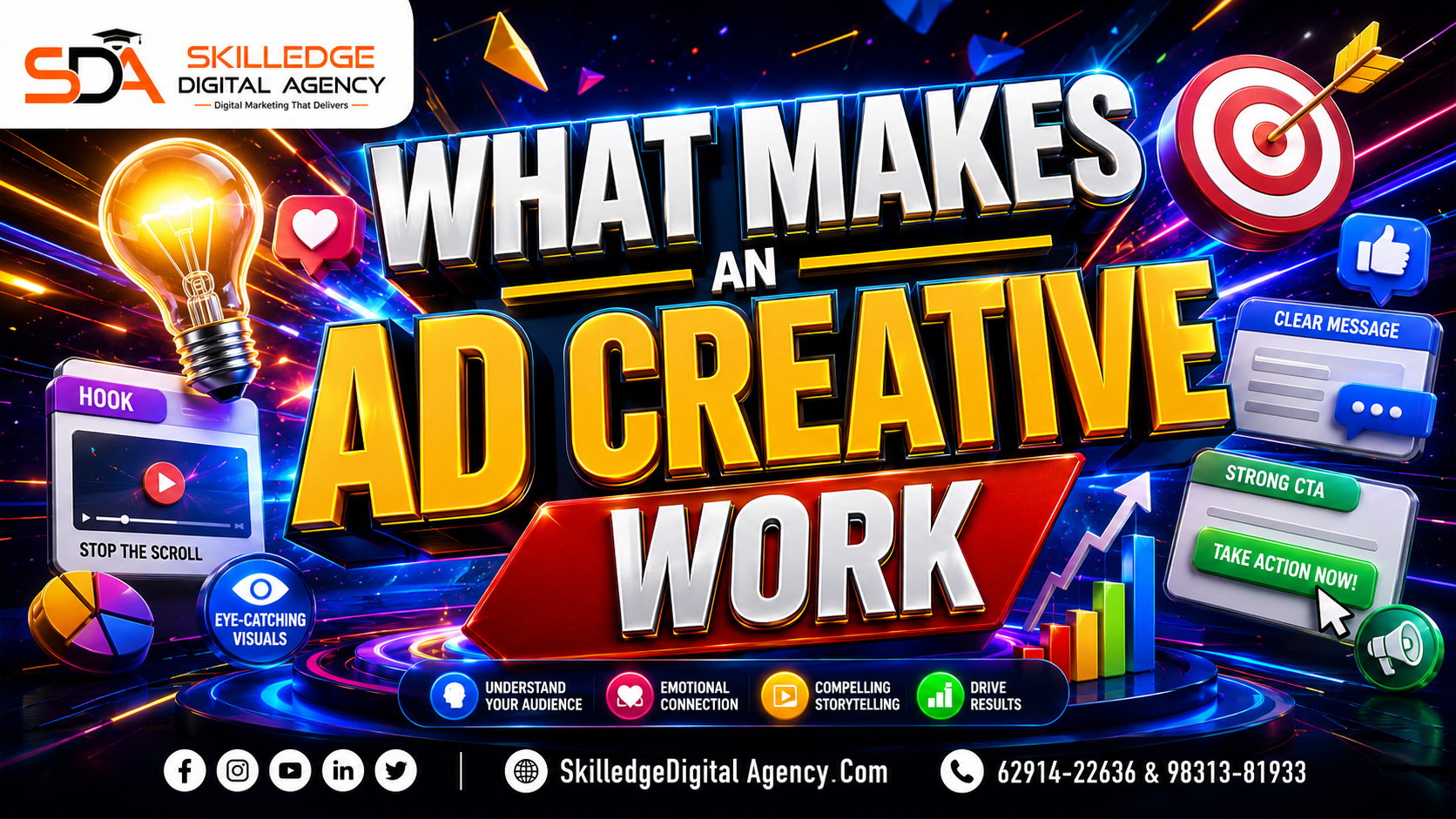
What makes an ad creative work: Facebook Ads for small business: a beginner’s guide
Creative is the part people see first, and it does a lot of the heavy lifting. The best targeting in the world cannot save a creative that is confusing, boring, or disconnected from the offer.
A good ad creative has three jobs. First, it grabs attention. Second, it explains the benefit quickly. Third, it makes the next action feel easy. If one of those jobs fails, the ad gets weaker.
For small businesses, the strongest creative often looks simple. It may be a clean image of the product, a short video showing the service in action, a customer testimonial, or a before-and-after example. The goal is not to look like a giant brand. The goal is to look credible and clear.
People trust ads more when they feel real. That means showing the actual service, product, team, store, or result instead of relying on overdesigned visuals that say nothing. In many cases, the ad that looks slightly less polished but more authentic wins because it feels more believable.
Your hook matters too. A hook is the first line or visual frame that tells the viewer why they should care. Instead of “Welcome to our business,” say something that points to a benefit or pain point. Examples:
“Need more local bookings this month?”
“Tired of ad spend that doesn’t convert?”
“Here’s how small businesses can get leads without wasting budget.”
At Skilledge Digital Agency, we often tell clients that creative is not art for art’s sake. Creative is the packaging of the promise. If the promise is strong, the packaging should make it impossible to miss.
How to write ad copy that feels human: Facebook Ads for small business: a beginner’s guide
Ad copy for small business works best when it sounds like a real conversation. You don’t need to sound corporate, and you don’t need to sound overly clever. You need to sound clear, helpful, and direct.
Start with the problem. Then mention the outcome. Then tell the reader what to do next. That structure works because it mirrors how people think. They notice a problem, imagine a better outcome, and then look for a path.
For example, a simple service ad might say: “Need more weekly appointments without constantly chasing leads? We help local businesses get visible to nearby customers with a simple ad strategy. Book a consultation today.” That’s far more effective than a long, vague paragraph about excellence and innovation.
A product ad can follow the same logic. “Your old skincare routine isn’t helping? Try our bestselling cleanser made for sensitive skin. Order now while the offer lasts.” Again, simple and readable.
Keep your sentences short. Use language your customers already understand. Avoid buzzwords that make the ad feel detached from real life. If your customer would never say it out loud, don’t put it in the ad.
You should also make your call to action specific. “Learn more” is okay, but “Book your consultation,” “Claim your offer,” or “Shop the collection” is often better. The clearer the instruction, the easier the response.
How much budget should you start with?: Facebook Ads for small business: a beginner’s guide
Budget is one of the biggest fears for beginners. Everyone wants to know the perfect number, but the better question is: how much can you spend to learn without panicking?
A beginner budget should be treated as a testing budget, not a profit machine from day one. The purpose is to collect data about which message, audience, and offer gets the strongest response. If you expect instant scale from a tiny budget, you may end up judging the campaign too early.
A practical way to think about budget is to separate learning from scaling. In the learning phase, you want enough spend to get real signals. In the scaling phase, you want to put more behind what already works. Don’t confuse the two.
Small business owners often worry that they need a big budget to compete. In many cases, that’s not true. What they need is tighter focus. A strong local campaign with a clear offer can outperform a bigger campaign that has no strategic discipline.
If you’re just starting out, it’s better to run one strong test than five half-baked ones. Keep the variables limited. One audience. One main offer. One or two creative variations. That way, you can read the results more clearly.
This is one of the first lessons we teach at Skilledge Digital Agency: budgets don’t just buy media. They buy insight. If you spend with intention, every rupee teaches you something.
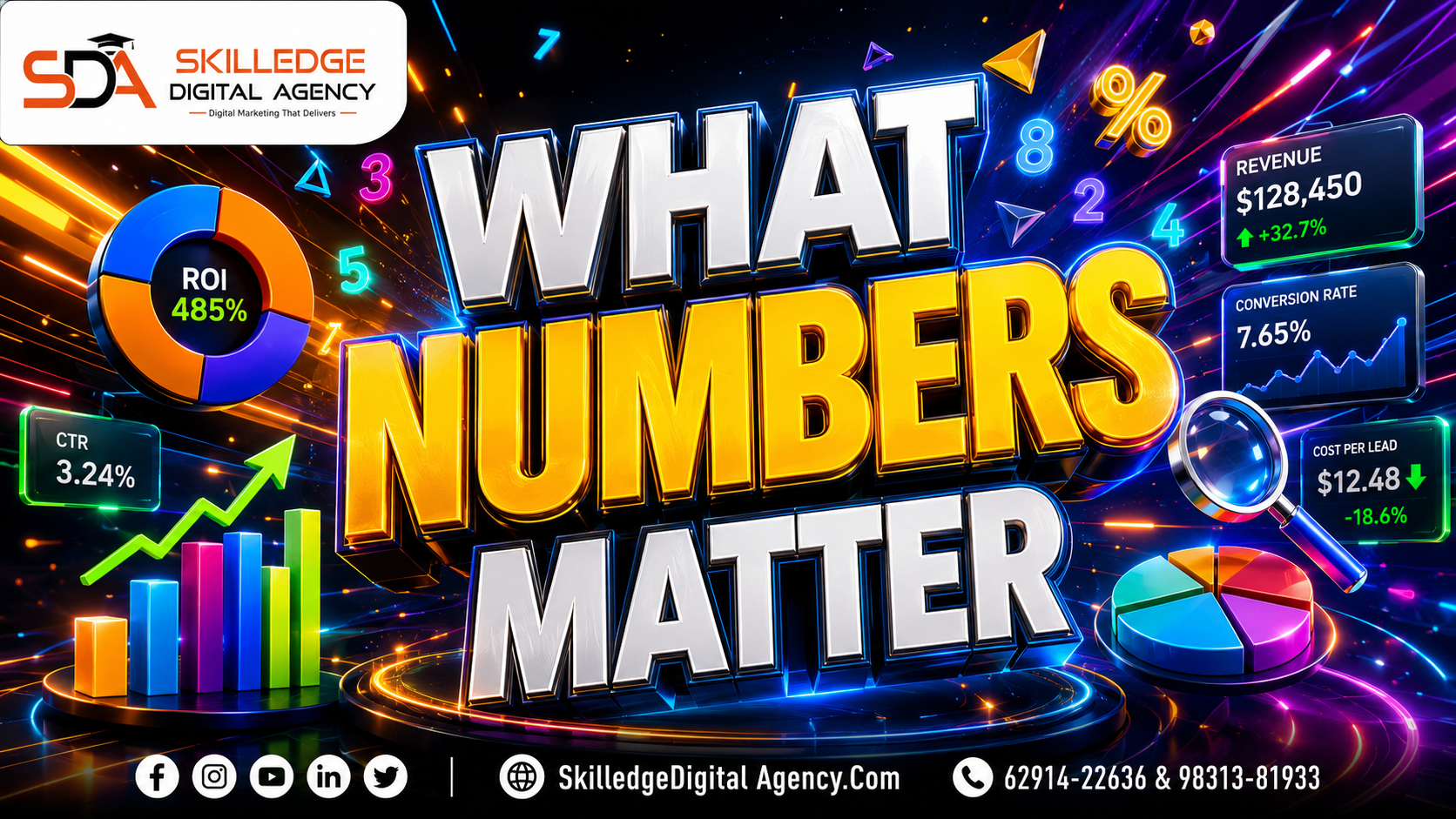
What numbers matter: Facebook Ads for small business: a beginner’s guide
A lot of beginners stare at dashboards without understanding what the numbers mean. That leads to bad decisions. You don’t need to master every metric on day one, but you do need to know which ones matter.
Click-through rate tells you whether people are interested enough to engage. Cost per click gives you a rough idea of traffic efficiency. Cost per lead shows how expensive it is to get a contact or inquiry. Conversion rate tells you how many people take the desired action after landing on your page. Return on ad spend matters when revenue can be tied back to the campaign.
Do not obsess over vanity metrics alone. Likes, comments, and even clicks can be misleading if they don’t turn into business results. A campaign can look active and still be unprofitable. That’s why the business outcome always matters more than the surface activity.
For local businesses, a strong signal might be calls, appointment requests, message conversations, or store visits. For ecommerce, it might be add-to-cart rate, purchase rate, and repeat purchase behavior. Choose the metric that matches the business model.
One of the smartest habits you can build is to review data in context. Don’t look at one day and panic. Don’t celebrate one good day as a permanent win. Look for patterns over time.
The goal is not to become obsessed with dashboards. The goal is to understand enough to make better decisions. That’s how Facebook Ads for small business becomes a skill instead of a gamble.
Why location targeting matters so much: Facebook Ads for small business: a beginner’s guide
Location is one of the most powerful filters in ad delivery, especially for local brands. If you serve a specific neighborhood, city, or service area, location targeting can save budget and improve relevance.
Think about the customer experience. If someone sees an ad for a business that’s three hours away, the ad feels irrelevant. But if the business is nearby, the ad becomes useful immediately. That shift in usefulness often improves response.
For a storefront, radius targeting is often a natural first step. For a service business, you may want to include the areas you actually travel to. For a hyperlocal offer, it can make sense to be precise and exclude people outside your service zone.
This also changes your creative. If you know you’re talking to people nearby, reference local convenience, speed, access, or familiar needs. Nearby targeting works best when the message feels local too.
That’s why Facebook ads for local businesses should always be built with geography in mind. The ad should answer a simple question in the viewer’s head: “Is this for someone like me, in a place I can actually use?”
How to test without wasting money: Facebook Ads for small business: a beginner’s guide
Testing is where beginners either learn fast or waste slowly. A good test is simple, controlled, and readable. If you change too many things at once, you won’t know what caused the result.
The safest structure is to test one audience, one core offer, and a small set of creative variations. You can change the headline, the opening visual, or the call to action. But don’t test everything at once.
A strong test should last long enough to get a fair signal. If you stop too early, you may kill something that was just starting to stabilize. If you wait too long, you may keep funding something that never had a chance.
You should also decide in advance what “good” looks like. That might be a target cost per lead, a target number of appointments, or a target return on spend. Without a decision rule, it’s easy to overreact emotionally.
A common beginner mistake is to make decisions based on personal taste instead of data. People kill ads because they don’t “like” them, not because the numbers are bad. That’s not a strategy. That’s a mood.
At Skilledge Digital Agency, we encourage clients to think like scientists, not gamblers. You’re not trying to prove your favorite idea is right. You’re trying to find what produces the best business result.
Why the landing page matters: Facebook Ads for small business: a beginner’s guide
The ad is only half the story. If the landing page disappoints, the campaign loses momentum. A good ad can create interest, but the page has to convert that interest into action.
The most common landing page mistakes are easy to spot. The headline doesn’t match the ad. The offer is buried. The page is too crowded. The call to action is hard to find. The mobile experience is awkward. The form is too long.
A small business landing page should feel focused. One page, one purpose, one main action. That doesn’t mean the page has to be plain. It means every element should support the outcome you want.
If your ad promises an appointment, the landing page should make booking easy. If your ad offers a discount, the page should explain the terms clearly. If your ad promotes a product, the page should show the product, the benefits, the price, and the path to purchase.
This is where many businesses unintentionally leak money. They invest in traffic but neglect the destination. It’s like inviting people to your shop and then locking the front door.
The good news is that landing page improvements can often produce better results without increasing ad spend. Sometimes the quickest path to a better campaign is not a bigger budget. It’s a clearer page.
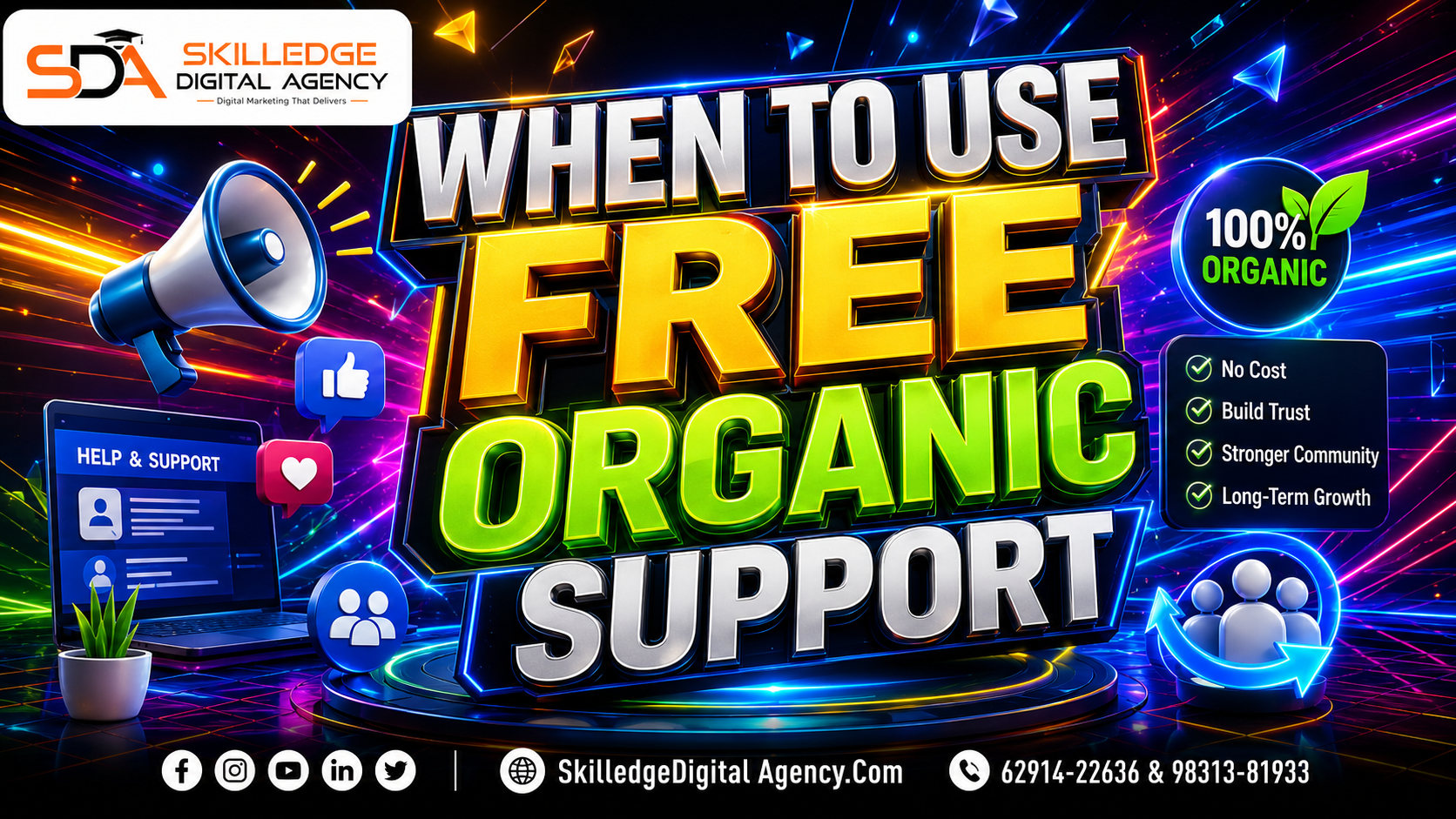
When to use free organic support: Facebook Ads for small business: a beginner’s guide
A lot of business owners search for facebook free advertising for small businesses because they want results without ad spend. That desire is understandable. Organic content, community posting, referrals, and engagement can all help.
But free reach should be viewed as support, not replacement. Organic posts can warm the audience, build trust, and validate offers before you spend money. They can also strengthen your brand voice and help your ads feel more familiar.
That said, free visibility takes time. If you need lead flow this month, organic content alone may not be enough. The best strategy is often a blend: use content to create trust, and use paid campaigns to accelerate response.
If you already have a decent content system, your ads may perform better because the audience has seen you before. Familiarity reduces friction. People tend to respond more easily to names and brands they recognize.
So yes, facebook free ads for small business can exist in a practical sense through organic posting and community-building. But if your goal is predictable growth, you’ll usually need a paid system behind it.
When to hire help: Facebook Ads for small business: a beginner’s guide
There comes a point where doing everything yourself becomes expensive in a different way. Maybe you can run ads, but you don’t have time to test properly. Maybe you can write copy, but you’re not sure how to structure the funnel. Maybe you can set up campaigns, but you’re not reading the numbers correctly.
That’s when expert help can save money. A strong partner doesn’t just “run ads.” A strong partner helps you build the right offer, choose the right objective, set up the tracking, and avoid common beginner mistakes. That is the kind of support a facebook advertising agency for small business should provide.
For some businesses, working with a facebook marketing agency for small business makes sense because the internal team is already stretched. For others, training is enough. What matters is choosing the path that improves decision-making, not just outsourcing responsibility.
At Skilledge Digital Agency, we like to say that good support should make you smarter, not more dependent. If an agency only reports numbers but never explains what they mean, you don’t have a strategy partner. You have a vendor.
The right help should leave you with more clarity. You should understand what’s being tested, why it’s being tested, and what comes next.
A simple beginner plan: Facebook Ads for small business: a beginner’s guide
If you want a practical starting point, use this simple sequence.
Define one clear offer.
Choose one customer segment.
Decide whether the goal is leads, calls, bookings, or sales.
Build one landing page or lead path.
Create two to three ad variations.
Launch with a small, manageable budget.
Review results after enough data comes in.
Improve the weak link before scaling.
This is the cleanest way to run facebook ads for small businesses when you’re new. It keeps your setup simple enough to understand while still giving you room to learn.
The point is not to do everything. The point is to do the right things in the right order.
How Skilledge Digital Agency helps: Facebook Ads for small business: a beginner’s guide
Skilledge Digital Agency is built for businesses that want more than surface-level marketing advice. We help you understand the strategy behind the campaign, not just the buttons you click.
If you’re a beginner, we can help you avoid the most expensive mistake of all: launching without a plan. We work on audience clarity, offer framing, ad structure, and optimization thinking so your campaigns have a better chance of producing real business outcomes.
We also help small business owners think about paid media in a more disciplined way. That means reducing guesswork, reading the data properly, and knowing when to adjust the creative, the audience, or the offer. That is what turns Facebook Ads for small business into a repeatable growth channel rather than an occasional experiment.
When businesses come to us, they usually don’t need more noise. They need a clearer path. That’s the kind of clarity we build at Skilledge Digital Agency.
Final thoughts
Facebook advertising can absolutely work for small businesses, but it works best when we treat it like a system rather than a shortcut. Start with the offer, choose the right audience, write a message that feels human, and measure the outcome that actually matters.
If you’re local, think about geography. If you sell products, think about buyer intent. If you’re new, keep the test small and the structure simple. And if you want expert support, Skilledge Digital Agency can help you move from confusion to a campaign you can actually understand.
The businesses that win aren’t always the ones with the biggest ad budgets. They’re the ones that make the clearest decisions.
Skilledge Digital Agency
What Skilledge Digital Agency delivers for your brand
| Service / Feature | What you get | Included in |
|---|---|---|
Search Engine Optimization (SEO) | ||
Technical SEO Audit Site speed, crawlability, Core Web Vitals, schema markup | Faster rankings, zero penaltiesFull technical overhaul with monthly monitoring | All Plans |
Keyword Strategy & Mapping Competitor gap analysis + intent-based clustering | Traffic that convertsTarget buyers, not browsers | All Plans |
Authority Link Building White-hat backlinks from DA 40+ real publishers | Domain authority growthSustainable, Google-safe link profile | Growth+ |
Local & Hyperlocal SEO GMB optimization, citations, local schema | Dominate “near me” searchesMap pack visibility + local trust signals | All Plans |
Paid Advertising (PPC & Meta) | ||
Google Ads Management Search, Display, Shopping & Performance Max | 3–5× ROAS targetExpert bid strategy + A/B ad copy testing | Growth+ |
Meta / Instagram Ads Audience targeting, retargeting funnels, creative testing | Lower CPL, higher CTRFull-funnel Meta campaigns built to scale | Growth+ |
Landing Page Optimization CRO-focused pages designed to convert ad traffic | Higher Quality ScoreReduced bounce, better ad relevance | Elite |
Content Marketing | ||
SEO Blog & Article Writing Long-form, E-E-A-T optimized, topic cluster strategy | Organic traffic engineContent that ranks and drives leads for months | All Plans |
Short-form Video & Reels Script, shoot guidance, editing & platform optimization | Viral-ready contentBuilt for TikTok, Instagram & YouTube Shorts | Growth+ |
Content Calendar & Strategy 30/60/90-day editorial plan aligned to business goals | Consistent brand voiceNever run out of ideas or miss a moment | All Plans |
Social Media Management | ||
Platform Management (5 channels) IG, FB, LinkedIn, X, YouTube — posting & community | Active, engaged audienceDaily management + comment/DM response | Growth+ |
Social Media Analytics Reach, engagement rate, follower growth tracking | Data-backed decisionsMonthly performance deck with insights | All Plans |
Influencer Collaboration Micro to macro influencer identification & outreach | Social proof at scaleAuthentic reach to new, targeted audiences | Elite |
Email & CRM Marketing | ||
Email Campaign Management Design, copy, list segmentation & automation flows | 40%+ open ratesPersonalized sequences that nurture and close | Growth+ |
Marketing Automation Lead nurture, cart abandonment, re-engagement drips | Revenue on autopilotWorks 24/7 to move leads down the funnel | Elite |
Analytics, Reporting & Strategy | ||
Monthly Performance Reports Custom dashboards: traffic, leads, ROAS, rankings | Full transparency, no fluffKnow exactly what’s working and why | All Plans |
GA4 + Search Console Setup Full tracking configuration, event goals, attribution | Zero tracking blind spotsAccurate data from day one | All Plans |
Competitor Intelligence Quarterly deep-dive: gaps, opportunities, market share | Stay 3 steps aheadKnow what rivals do before they scale it | Elite |
Website & Conversion | ||
CRO — Conversion Rate Optimization Heatmaps, A/B tests, UX fixes, form optimization | More leads, same trafficTurn visitors into enquiries without extra ad spend | Elite |
Website Speed & Core Web Vitals Performance optimization, image compression, caching | Google loves fast sitesBetter UX, better bounce rate, better rankings | All Plans |
Ready to grow with Skilledge?Get a free audit & custom strategy — no obligation, no fluff. | ||
Skilledge Digital Agency
Phone/Whatsapp: +91 62914-22636 / 98313-81933
Email: Mktg@SkilledgeDigitalAcademy.Com
Website: www.skilledgedigitalacademy.com/services/
Get Directions
Facebook
Twitter
Instagram
LinkedIn